
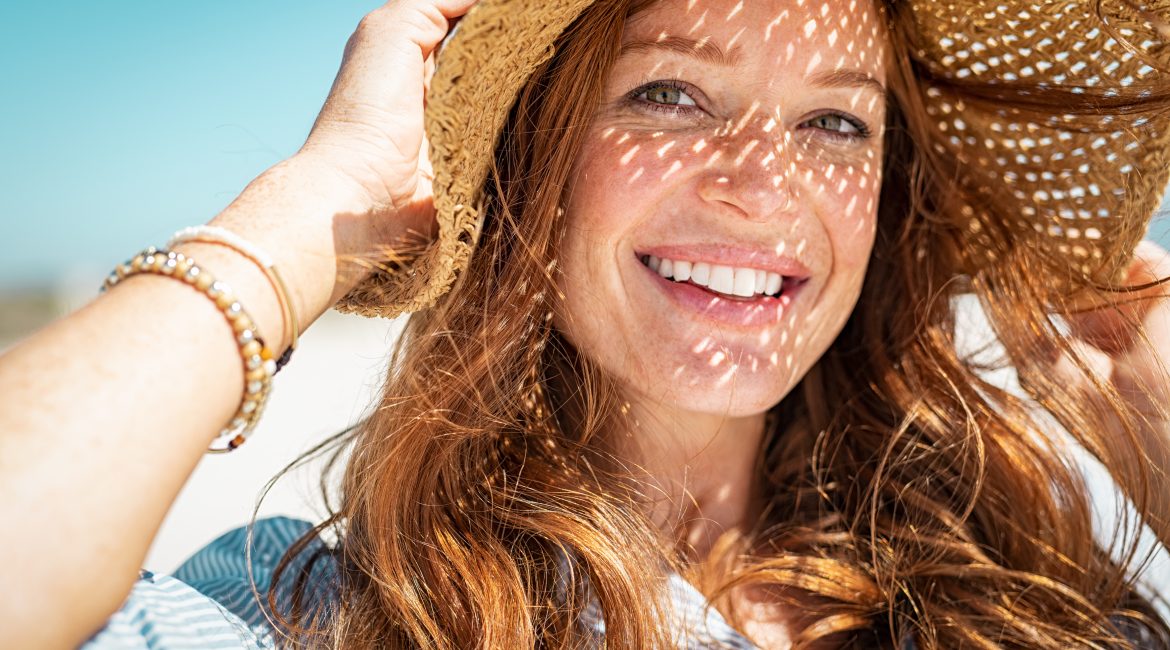

We all enjoy a little sunshine, especially when warmer weather means more time outdoors. But while sunlight has its benefits, too much exposure to ultraviolet (UV) radiation can damage your skin and increase your risk of developing skin cancer.
The tricky part is that sun damage doesn’t always happen after a long day at the beach. UV damage and exposure can add up over time through everyday activities, from driving and exercising outdoors to gardening or simply spending time outside.
Understanding UV radiation and knowing how to protect yourself can help you enjoy the outdoors while looking after your skin.
What are UV rays?
Ultraviolet, or UV, radiation is a form of energy produced by the sun. The two main types that reach the Earth’s surface are UVA and UVB rays, and both can affect your skin.
UVA rays penetrate deeper into the skin and are strongly associated with premature skin ageing, including wrinkles and pigmentation. They can also contribute to the development of skin cancer.
UVB rays mainly affect the outer layers of the skin and are a major cause of sunburn. They also play an important role in the development of skin cancer.

You can’t see or feel UV radiation or UV damage, which means your skin can be exposed even when the weather doesn’t feel particularly hot.
Why is sun protection so important?
Sunburn might disappear after a few days, but the effects of UV damage and exposure can build up over your lifetime.
Repeated and excessive UV exposure can damage the DNA in skin cells. Over time, this damage can contribute to premature skin ageing and increase the risk of skin cancers, including melanoma.
Regular sun protection can help reduce your exposure and protect against:
- Sunburn
- Premature wrinkles and skin ageing
- Uneven pigmentation and dark spots
- Long-term skin damage
- Certain types of skin cancer
- UV-related eye damage
Sun protection isn’t only something to think about on holiday or at the beach. It should form part of your everyday routine, particularly when you’re spending extended periods outdoors.
Learn about skin cancer and how to prevent it.
Does sunscreen really matter every day?
Sunscreen is an important part of protecting exposed skin from UV radiation and UV damage.
Choose a broad-spectrum sunscreen, which helps protect against both UVA and UVB rays. Apply it generously to exposed areas of skin before heading outdoors and remember commonly missed areas such as your ears, neck, hands and the tops of your feet.
Sunscreen also doesn’t last all day. Reapply it regularly, especially after swimming, sweating or drying yourself with a towel.
And don’t let cloudy weather fool you. UV damage and radiation can still reach your skin when it’s overcast, so sun protection can still be necessary even when the sun isn’t shining brightly.
More ways to protect yourself from UV damage
Sunscreen works best as part of a wider approach to sun safety.
Keep an eye on the UV index
The UV index tells you how strong UV radiation is expected to be at a particular place and time. Checking it before spending a long period outdoors can help you decide how much protection you’ll need.
A high UV index means your skin can get UV damage more quickly.
Seek shade
When possible, spend time in the shade, particularly during periods when UV radiation is strongest.
Remember that shade doesn’t necessarily block all UV radiation, so sunscreen and protective clothing may still be necessary.
Cover exposed skin
Clothing creates a physical barrier between your skin and the sun. Long sleeves, lightweight trousers and other tightly woven clothing can provide additional protection when you’re going to be outdoors for an extended period.
A wide-brimmed hat can also help protect your face, ears and neck.
Protect your eyes
Your skin isn’t the only part of your body affected by UV radiation.
Wear sunglasses that offer UV protection when you’re outdoors. This can help protect your eyes and the sensitive skin around them from prolonged UV exposure.
Be careful around reflective surfaces
Water, sand and other reflective surfaces can increase your exposure to UV radiation.
That means sitting under an umbrella at the beach, for example, doesn’t necessarily mean you’re completely protected. Combining shade with sunscreen, protective clothing and sunglasses gives you better protection.
Discover sun exposure tips you can use.
Children need sun protection too
Children often spend a lot of time outdoors, whether they’re playing sport, swimming, at school or simply playing in the garden.
Helping them develop good sun-safety habits from an early age can make protection part of their normal routine.
Depending on their age and the activity, this can include:
- Applying appropriate sunscreen before outdoor activities
- Reapplying sunscreen when necessary
- Wearing a hat and protective clothing
- Using sunglasses with UV protection
- Encouraging play in shaded areas
- Keeping babies and very young children out of strong direct sunlight as much as possible
Parents and caregivers should choose sun protection that’s appropriate for their child’s age and skin. If you’re unsure about which products are suitable, speak to a healthcare professional.
Get to know your skin
Sun protection is important, but so is knowing what your skin normally looks like.
Checking your skin regularly can make it easier to notice when something changes.
Pay attention to moles, freckles, spots and other marks on your skin. Look for changes such as:
- A mole changing in size, shape or colour
- Uneven or irregular borders
- Several colours appearing within one mole or spot
- A new or unusual-looking mark
- A spot that bleeds, crusts or doesn’t heal
- Persistent itching, tenderness or pain
- Any skin change that concerns you
Not every change means skin cancer, but unusual or persistent changes shouldn’t be ignored.
If you notice something that concerns you, make an appointment with a healthcare professional rather than waiting to see whether it goes away.
Make sun safety an everyday habit
Looking after your skin doesn’t mean avoiding the outdoors altogether. It’s about being more aware of UV damage and exposure and taking practical steps to protect yourself and your family.
Check the UV index, use sunscreen appropriately, seek shade, cover up and pay attention to changes in your skin.
A few simple habits today can help protect your skin for the years ahead.
Looking after your health starts with the everyday things. Oneplan Health Insurance can help you plan for the healthcare needs that come your way.
Your Health Insurance Family,