
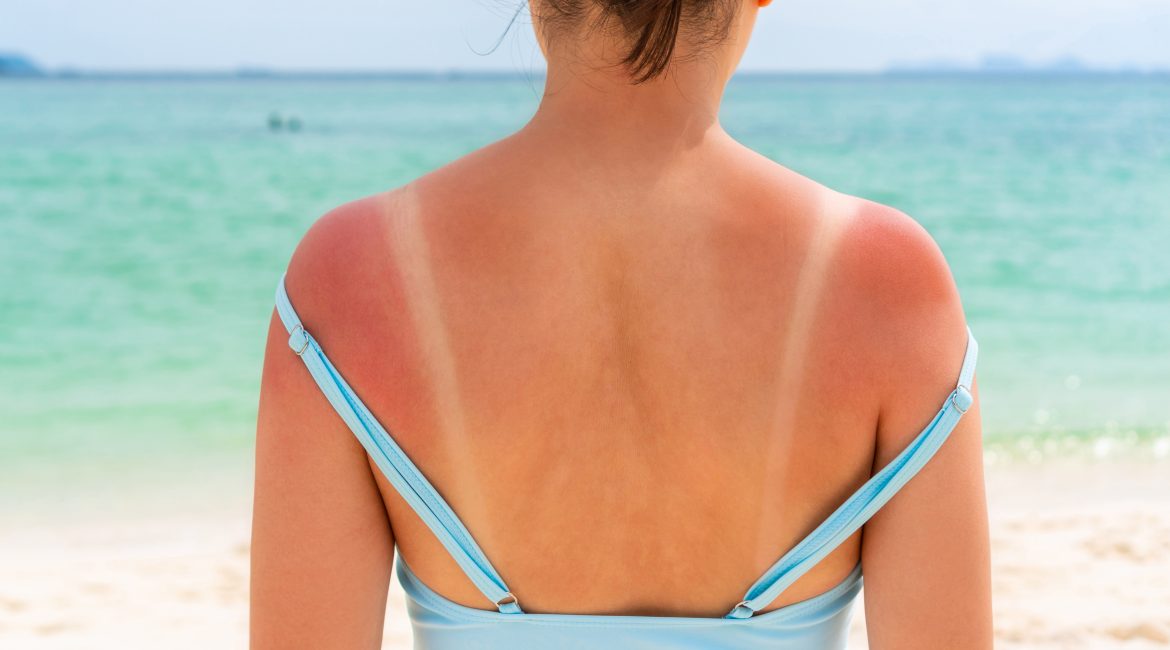
A day in the sun might leave you with a tan, a few new freckles or the occasional sunburn. But not all the effects of sun exposure disappear when the redness does, that is when sun damage happens behind the scenes without us being aware.
Ultraviolet (UV) radiation can cause damage to your skin over time, and repeated exposure can increase your risk of premature skin ageing and skin cancer.
That’s why sun safety is about more than remembering sunscreen on beach days. Knowing how UV exposure affects your skin, protecting yourself properly and paying attention to changes can all play a role in looking after your health.
What actually happens when your skin has sun damage?
Sunlight contains ultraviolet radiation. The two main types that reach us are UVA and UVB rays.
UVA rays penetrate deeper into the skin and contribute to signs of premature ageing, such as wrinkles and pigmentation. They can also play a role in the development of skin cancer.
UVB rays primarily affect the outer layers of your skin. They’re a major cause of sunburn and can also damage the DNA in your skin cells.
While your skin may recover from the visible signs of a day in the sun, some of the underlying damage caused by UV exposure can accumulate over time.
This is why protecting your skin from sun damage consistently matters.
Sunburn isn’t the only sign of sun damage
It’s easy to associate sun damage with red, painful or peeling skin, but UV exposure doesn’t always result in obvious sunburn but it is still sun damage.
Over time, sun exposure may contribute to changes such as:
- Fine lines and wrinkles
- Uneven skin tone
- Dark spots and pigmentation
- Changes to the texture of your skin
- Visible blood vessels
- Changes in existing moles or spots
- An increased risk of certain skin cancers
You also don’t need to be sitting beside a pool to be exposed. Walking outside, playing sport, gardening, driving and other everyday activities can contribute to your overall UV exposure.
Your everyday sun protection checklist
Protecting your skin doesn’t need to be complicated. A few habits can make sun safety easier to work into your normal routine.
Use broad-spectrum sunscreen
Look for sunscreen that provides broad-spectrum protection against both UVA and UVB radiation.
Apply it generously to exposed skin and remember areas that are easy to miss, including your ears, neck, hands and feet.
If you’re spending time outdoors, remember to reapply your sunscreen regularly, particularly after swimming, sweating or towelling off.
Don’t rely on the weather
A cool or cloudy day doesn’t necessarily mean there’s no UV exposure.
UV radiation can still reach your skin through cloud cover, which is why checking the UV index can be more useful than simply looking outside to decide whether you need sun protection.
Add physical protection
Sunscreen isn’t your only line of defence.
Hats, sunglasses, protective clothing and shade can all help reduce your exposure, particularly if you’re spending several hours outside.
Be extra careful around water and sand
Heading to the beach or pool? Water and sand can reflect UV radiation, increasing your exposure to sun damage.
Use a combination of sunscreen, shade and protective clothing rather than relying on just one form of protection.
Understand why sun protection is essential.
Know what is normal for your skin
One of the simplest things you can do is become familiar with your own skin.
Regularly checking your skin can help you notice when a mole, freckle or spot looks different from what you’re used to seeing.
When checking a mole, the ABCDE guide can be a useful starting point:
- A – Asymmetry: One half looks different from the other.
- B – Border: The edges appear irregular, blurred or uneven.
- C – Colour: There are different colours or shades within the same spot.
- D – Diameter: The spot is growing or appears unusually large.
- E – Evolving: There are noticeable changes in its size, shape, colour or appearance.
You should also pay attention to spots that itch, hurt, bleed, crust, don’t heal or simply look noticeably different from the others on your skin.
These changes don’t automatically mean you have skin cancer. They do, however, give you a good reason to have the area assessed by a healthcare professional.
What happens if your doctor finds something unusual?
Depending on what they find, your doctor may recommend monitoring the area, referring you to a dermatologist or performing further tests.
If a suspicious skin lesion needs further investigation, this could include a biopsy, where a small sample of tissue is examined.
When skin cancer is diagnosed, treatment depends on factors such as the type of cancer, its size, where it is located and whether it has spread. Treatment may involve removing the affected tissue or other specialist care.
The important thing is not to try to diagnose a suspicious spot yourself. If something looks or feels unusual, getting professional advice is the safer approach especially when it comes to sun damage.
Discover how to protect your skin from UV damage.
Medical treatment can also come with unexpected costs
When you need specialist care or treatment, your medical scheme may not always cover the full amount charged by healthcare providers.
Depending on your medical scheme, the healthcare provider and the treatment you receive, you could be left responsible for a medical expense shortfall.
This is where Gap Cover can provide an additional layer of financial protection.
Gap Cover is designed to work alongside your medical scheme and may help cover qualifying shortfalls and co-payments when your medical scheme doesn’t cover the full cost of certain treatments, subject to your chosen plan, limits, waiting periods and policy terms.
It isn’t a replacement for your medical scheme. Instead, it’s there to help with certain gaps that could otherwise become an unexpected out-of-pocket expense.
Protect your skin and plan for the unexpected
You can’t undo every bit of sun exposure you’ve had, but you can make protecting your skin part of what you do from here to limit your total sun damage.
Use sunscreen, check the UV index, cover up when you’re outdoors and get to know what’s normal for your skin.
And when it comes to the healthcare expenses you can’t always predict, having the right cover in place can help you prepare for more than just the sunny days.
Oneplan Gap Cover helps provide additional protection against qualifying medical expense shortfalls, so you can be better prepared when your medical scheme doesn’t cover the full cost.
Your Gap Cover Family,