
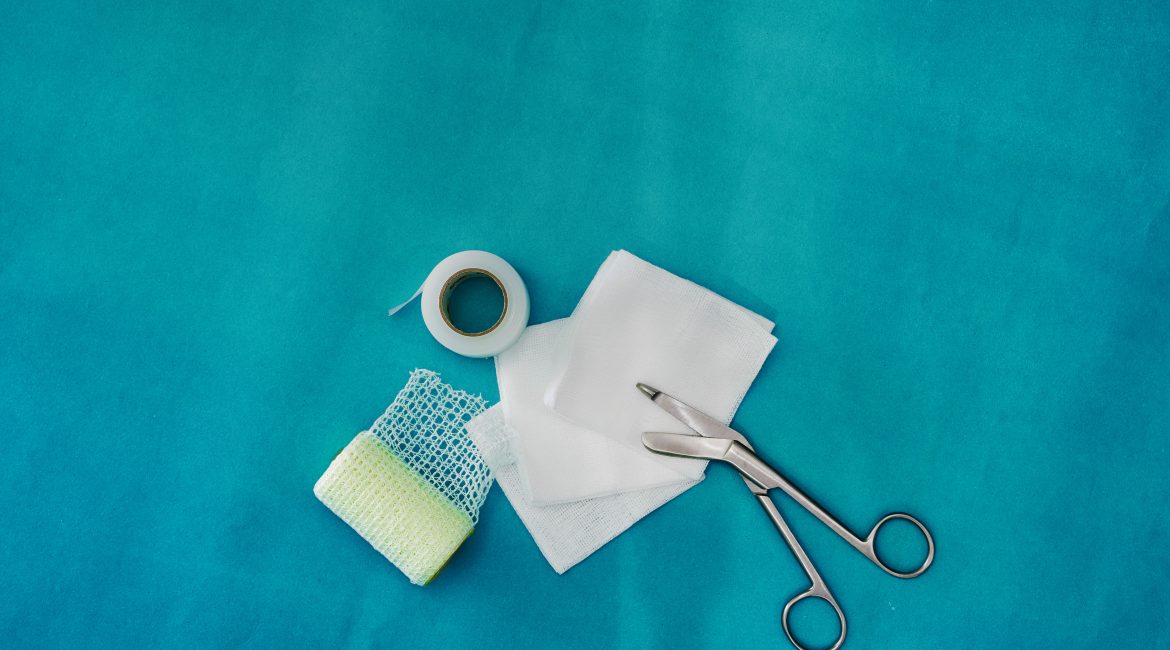

Cuts, scrapes and other wounds are a common part of life. Whether you’ve injured yourself at home, while exercising or during an everyday accident, proper wound care can help reduce the risk of infection and support the healing process.
Knowing the basics of wound care, from cleaning and covering a wound to recognising when you should seek medical attention, can make a difference in how well your injury heals. Here are some practical wound care and scar prevention tips to keep in mind.
How to Clean and Care for an Open Wound
One of the most important aspects of wound care is keeping the affected area clean.
Before touching or treating a wound, wash your hands thoroughly with soap and water. Gently clean the wound to remove dirt and debris, and avoid unnecessarily touching the injured area.
Depending on the type and severity of the injury, you may need to cover the wound with a sterile plaster, dressing or bandage. Keeping a wound appropriately protected can help prevent contamination and further irritation while it heals.
Remember to change dressings when they become wet, dirty or as recommended by a healthcare professional.

How to Stop a Wound From Bleeding
For a wound that is bleeding, apply gentle, firm pressure with clean gauze or a clean dressing.
Minor cuts will often stop bleeding after consistent pressure. However, wounds that are deep, large, caused by a serious injury or continue bleeding despite pressure may require professional medical treatment.
Seek urgent medical attention if the bleeding is severe or cannot be controlled.
When Should You See a Doctor for a Wound?
Not every cut or scrape requires a trip to the doctor, but some injuries need professional assessment and treatment.
You should consider seeking medical attention if:
- The wound is deep, large or has separated edges.
- Bleeding does not stop after applying firm pressure.
- There is something embedded in the wound.
- The injury was caused by an animal or human bite.
- The wound was caused by a dirty or rusty object and your tetanus vaccination may not be up to date.
- You experience increasing pain, swelling, warmth or redness.
- There is pus, unusual discharge or a bad smell coming from the wound.
- You develop a fever or feel unwell.
- You are concerned about how the wound is healing.
A healthcare professional can assess whether you need stitches, additional wound treatment, a tetanus booster or other medical care.
Discover the 7 signs on when you should go to the doctor.
What Are the Signs of an Infected Wound?
Recognising the signs of wound infection early is important during wound care.
Some redness and tenderness can occur during normal healing, but worsening symptoms may indicate an infection. Warning signs can include increasing redness, swelling, warmth, pain, pus or discharge, fever and red streaks spreading away from the wound.
If you suspect that a wound is infected, contact a healthcare professional for advice rather than attempting to treat a serious infection yourself.
Read more about what to do in these 2 common house emergencies.
Wound Care Tips to Help Reduce Scarring
Scarring is a natural part of the body’s healing process, and it isn’t always possible to prevent a scar completely. However, proper wound care can help create better conditions for healing.
Once the wound has closed and new skin has formed, protecting the area from excessive sun exposure is particularly important. UV exposure can cause a new scar to become darker and more noticeable.
Using suitable sun protection on healed skin and following your healthcare provider’s scar-care recommendations can help protect the area while it continues to heal.
Avoid picking at scabs or repeatedly irritating the wound, as this can interfere with the natural healing process.
Does Nutrition Help With Wound Healing?
Your body needs adequate nutrition to repair damaged tissue. A balanced diet containing sufficient protein, vitamins and minerals can support normal wound healing and overall health.
Nutrients such as vitamin A, vitamin C and zinc all play roles in normal bodily processes related to tissue and immune function. However, taking high-dose supplements isn’t necessarily better and may not be suitable for everyone.
If you have concerns about your diet, supplements or wound healing, speak to a doctor, pharmacist or registered dietitian for personalised advice.
How Long Does a Wound Take to Heal?
Wound healing time varies considerably depending on the size and depth of the injury, its location, your overall health and whether complications such as infection develop.
Minor cuts and scrapes may improve relatively quickly, while deeper wounds and scars can continue healing and changing for months.
If a wound isn’t healing as expected or appears to be getting worse, seek medical advice.
Be Prepared for Unexpected Medical Expenses
Accidents and injuries can happen when you least expect them. While good first aid can help with minor wounds, some injuries require professional medical treatment.
Having health insurance can help you prepare for unexpected healthcare costs when you need medical attention.
With Oneplan Health Insurance, you can access cover designed to help make everyday healthcare expenses more manageable.
Looking for affordable health insurance in South Africa? Contact Oneplan Health Insurance today for an obligation-free quote and explore cover that suits your needs.
Your Health Insurance Family,
This article provides general information and is not a substitute for professional medical advice, diagnosis or treatment. If you have a serious wound, uncontrolled bleeding, signs of infection or concerns about an injury, seek appropriate medical care.