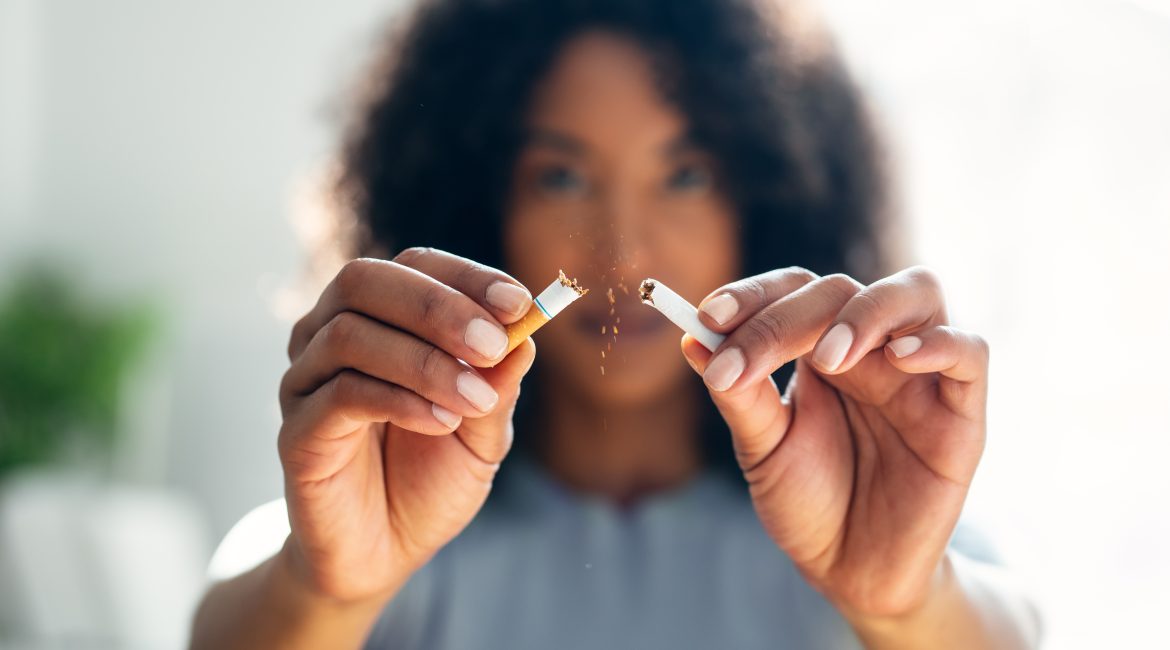
We all know smoking isn’t good for us. But what is actually happening inside your body every time you light a cigarette?
The effects go much further than your lungs. Smoking can affect your heart, circulation, teeth, fertility and immune system too. The good news is that when you quit, your body starts recovering surprisingly quickly.
Here’s what you should know.
The health risks of smoking
Cigarettes contain thousands of chemicals, and repeated exposure to them can cause damage throughout the body.
Your lungs
Your lungs are one of the most obvious places to feel the effects.
Smoking damages the airways and the tiny air sacs that help your lungs do their job. Over time, this can contribute to chronic coughing, shortness of breath and serious conditions such as chronic bronchitis, emphysema and chronic obstructive pulmonary disease (COPD).
Your heart and circulation
Your heart is affected too.
Smoking damages blood vessels and increases the risk of cardiovascular disease, including heart disease, heart attacks and strokes.
Poor circulation can have other knock-on effects throughout the body, which is one of the many reasons quitting can make such a difference to your long-term health.
Discover ways to improve your heart health.
Your cancer risk
Lung cancer is probably the first one that comes to mind, but smoking is linked to far more than that.
Tobacco use is associated with more than 20 types and subtypes of cancer, including cancers affecting the mouth and throat.
Your teeth and gums
Bad breath and stained teeth aren’t the only concerns.
People who smoke are also at greater risk of gum disease and other oral health problems. Tobacco use is also linked to cancers of the mouth and throat.
Fertility and pregnancy
Smoking can affect reproductive health in both men and women.
It can make it more difficult to fall pregnant and, during pregnancy, is associated with complications including miscarriage, premature birth and low birth weight.
Discover how to quit smoking for good.
What about second-hand smoke?
You don’t have to smoke a cigarette yourself to be exposed to its harmful chemicals.
Second-hand smoke can affect the people around you, including partners, children, friends and colleagues who are regularly exposed to cigarette smoke.
So quitting isn’t only something you can do for your own health. It can help protect the people around you too.
What happens when you quit smoking?
Your body doesn’t wait years to start benefiting from your decision to quit. Some changes can begin within minutes.
After 20 minutes: Your heart rate and blood pressure begin to drop.
After 12 hours: Carbon monoxide levels in your blood drop towards normal levels.
After 2 to 12 weeks: Your circulation improves and your lung function can start improving.
After 1 to 9 months: Coughing and shortness of breath may decrease.
After 1 year: Your risk of coronary heart disease is around half that of someone who continues to smoke.
After 5 to 15 years: Your risk of stroke continues to decrease.
After 10 years: Your risk of dying from lung cancer is significantly lower than that of someone who continues to smoke, and the risk of several other cancers decreases too.
After 15 years: Your risk of coronary heart disease can fall to around that of someone who doesn’t smoke.
Your body is pretty good at rewarding you for quitting.
Discover tips to quit smoking and the full changes your body will go through.
Is it ever too late to quit?
Even if you’ve smoked for years, quitting can still benefit your health.
That doesn’t mean it’s easy. Nicotine is addictive, and quitting often takes more than simply deciding not to buy another pack.
If you’re struggling, speak to your doctor about the support available. And if you’ve tried to quit before and started smoking again, you can always try again.
Smoking laws in South Africa
You may have also seen headlines about proposed changes to South Africa’s smoking laws.
The Tobacco Products and Electronic Delivery Systems Control Bill aims to introduce stricter controls around tobacco and electronic delivery systems, including where people can smoke, packaging, advertising and sales.
As of 2026, the Bill is still going through the parliamentary process, so it’s worth checking the latest regulations rather than assuming every proposed change you’ve seen online is already law.
Regardless of the legislation, though, the health risks are well established.
Looking after your health is one part of the plan
Quitting smoking is one of the positive changes you can make for your long-term health. Eating well, staying active, going for health checks and paying attention when something doesn’t feel right all matter too.
But even when you’re doing everything you can to look after yourself, you can’t plan for every medical expense.
You might have medical aid and still find yourself with an unexpected bill after an in-hospital procedure because your healthcare provider charged more than your medical aid covered.
That’s where Oneplan Gap Cover comes in.
Gap Cover can help with qualifying in-hospital medical expense shortfalls and co-payments, depending on your chosen plan and the applicable policy terms.
Looking after your health can help you prepare for the future. Having cover for some of the unexpected costs can help too.
Your Gap Cover Family,