
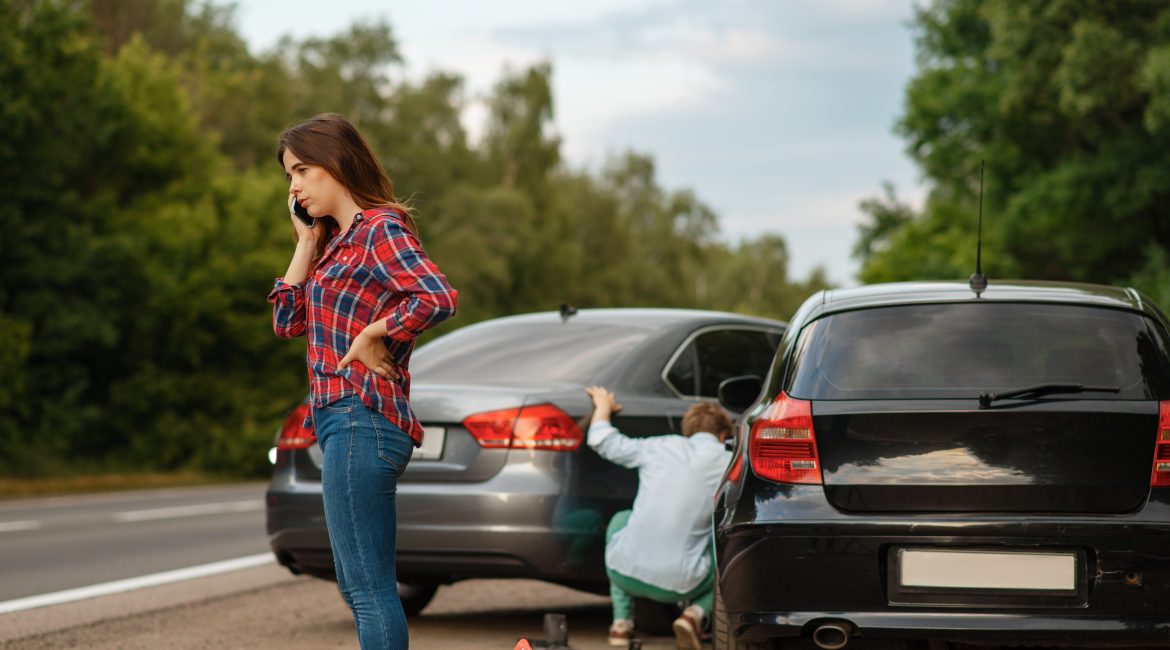

A car accident can happen in seconds. Once you’ve checked that everyone is safe and dealt with any immediate emergency, your phone can become one of the most useful things you have with you.
Taking clear photos after a car accident can help create a record of what happened, the vehicles involved, the damage and the conditions at the scene. These details may also be useful when you submit a car insurance claim later.
The problem? When you’ve just been in an accident, remembering exactly what to photograph probably isn’t at the top of your mind.
Here’s what to capture after a car accident and a few tips to help you document the scene properly.
Safety comes before photos
Before reaching for your phone, check yourself and your passengers for injuries and make sure you’re not putting yourself or anyone else in danger.
If someone is injured, contact the relevant emergency services. If it is safe and necessary to do so, move away from immediate dangers such as traffic, fire or damaged vehicles.

Photos are useful, but they can wait until it is safe to take them.
1. Start with the entire accident scene
Before heading straight for that dent in your bumper, take a few steps back.
Wide photos can provide useful context about how and where the accident happened. Try to capture the vehicles and surrounding area from several different angles.
Where it is safe to do so, include things like:
- The position of the vehicles
- The road and surrounding area
- Intersections
- Traffic lanes
- Road markings
- Traffic lights and road signs
The aim is to create a visual record of the overall scene, not just the damage to your car.
Understand what to do after a car accident.
2. Take photos of your vehicle
Once you’ve captured the wider scene, photograph your own car.
Start with photos showing the whole vehicle before moving closer to the damaged areas. Take pictures from different angles and make sure the damage is clearly visible.
Don’t only photograph the most obvious damage. Check different areas of the vehicle, including the front, back and sides.
If there is visible damage inside the vehicle, photograph that too.
3. Photograph the other vehicles involved
Take photos of the other vehicle or vehicles involved in the car accident too.
Where possible, capture the whole vehicle as well as any visible damage.
Make sure you also record identifying details such as the vehicle’s registration number, make and model. These details can be important when reporting the accident and submitting an insurance claim.
4. Get close-ups of the damage
Now it’s time to get closer.
Take clear close-up photos of scratches, dents, broken lights, cracked windows, damaged panels and any other visible damage.
It can help to take both close-up and slightly wider photos of the same area. A close-up shows the damage itself, while a wider shot provides context about where the damage is located on the vehicle.
Don’t rely on one photo. Take several clear images from different angles.
5. Capture road signs and traffic signals
The area surrounding the accident can provide important context about what happened.
If there are stop signs, yield signs, traffic lights, speed-limit signs or other relevant road signs nearby, photograph them where it is safe to do so.
For example, an image showing the intersection and traffic lights may provide more useful context than a close-up photo of a traffic light on its own.
6. Look for road and weather conditions
Sometimes the road itself tells part of the story.
Take photos of anything around the scene that may be relevant to the accident, including:
- Potholes
- Roadworks
- Debris
- Damaged or missing road signs
- Poor road surfaces
- Standing water
- Obstructions
- Skid marks
Weather conditions can also matter. Rain, mist, smoke or other conditions affecting visibility may be worth documenting.
Again, only take these photos if you can do so safely.
7. Photograph debris and other evidence
If parts of either vehicle have broken off during the accident, photograph the debris and where it landed before it is cleared away, provided it is safe to do so.
You can also photograph things such as tyre marks, broken glass and damaged roadside objects.
Don’t move objects around simply to get a better photo. The goal is to record the scene as you found it.
8. Record important details instead of relying on memory
Your phone isn’t only useful for taking photos.
After an accident, you may be shaken or overwhelmed, which can make it difficult to remember every detail later.
Use your phone to record important information such as:
- The other driver’s name and contact details
- Vehicle registration details
- Relevant insurance information
- The date, time and location of the accident
- Contact details of witnesses, where available
- Details relating to the police report
You can take photographs of relevant information where appropriate or save the details securely on your phone.
Just make sure the information you’ve recorded is clear enough to use later.
9. Don’t forget your own injuries
If you have visible injuries following the accident, you may want to document them too.
Your immediate priority should always be getting appropriate medical attention. Don’t delay treatment because you’re trying to take photos.
If injuries are documented, be respectful of your own privacy and that of anyone else involved in the accident.
10. Check your photos before leaving the car accident scene
Before you leave the scene, and only if it is safe to do so, quickly check the photos you’ve taken.
Are they clear? Can you read the number plates? Did you capture both the wider scene and the individual areas of damage?
Modern smartphones can automatically record useful information such as the date and time an image was taken. Avoid heavily editing or applying filters to accident photos. Keeping the original files can help preserve the record of what you captured.
It is also a good idea to back up important photos rather than keeping the only copies on your phone.
What should you do after taking photos of a car accident?
Photos are only one part of what you may need to do after a car accident.
Depending on the circumstances, you’ll also need to exchange the necessary details with the other driver, report the accident to the relevant authorities where required and contact your insurer.
If you’re submitting a car insurance claim, provide the information requested by your insurer and follow their claims process. Your photos can form part of the supporting information about what happened and the damage involved.
It’s also important not to admit liability at the scene or make assumptions about who caused the accident. Focus on collecting factual information and documenting what happened.
Discover common causes for car accidents.
Why accident photos matter for your car insurance claim
After an accident, memories can become less reliable and vehicles may be moved or repaired. The scene itself can also change quickly.
Photos give you a visual record to refer back to.
They can help document the condition of the vehicles, the extent of visible damage and relevant circumstances surrounding the accident. Having clear information available can also make it easier when you’re asked to explain what happened during the car insurance claims process.
You don’t need professional photography skills either. A smartphone and a few minutes spent capturing the right details can make a big difference.
Be prepared before you need to claim
Nobody gets into their car expecting to have a car accident that day.
That’s exactly why preparation matters.
Knowing what to do after a car accident, keeping important information accessible and understanding your car insurance cover before you need it can make an already stressful situation a little easier to navigate.
With Oneplan Car and Household Insurance, you can choose cover that suits your needs and manage your policy knowing you have protection in place for those moments you didn’t plan for.
And if an accident does happen? Safety first, details second, photos third. Then you can focus on getting yourself, and your car, back on track.
Your Insurance Family,