
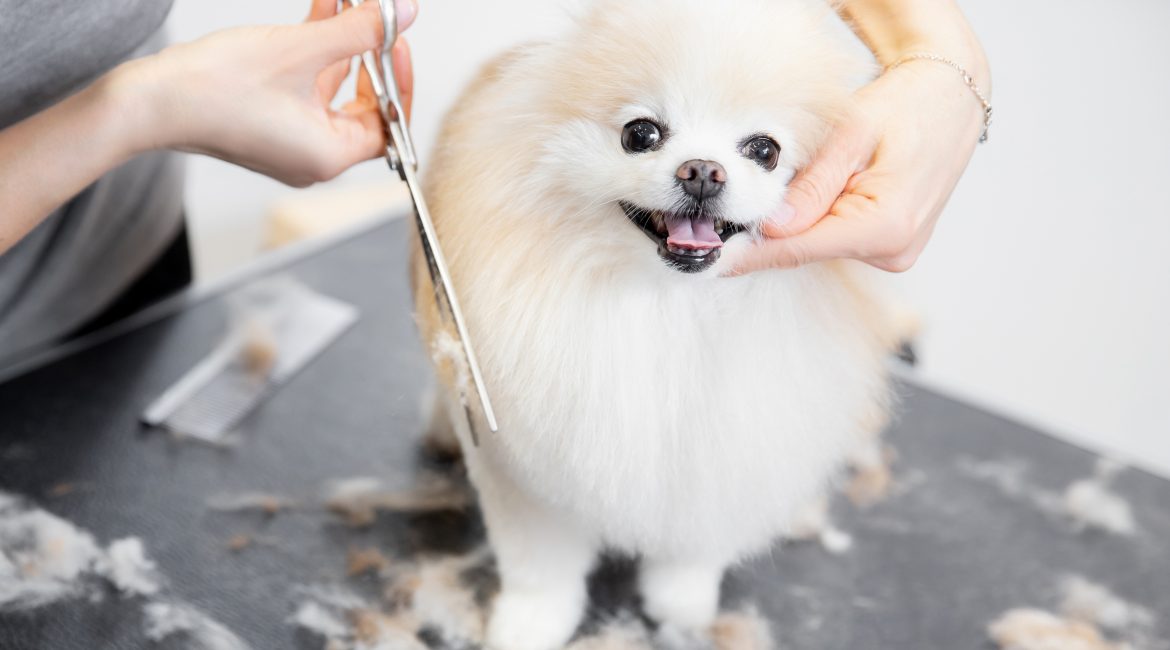

When the temperature starts climbing, taking off a thick fur coat probably sounds like the obvious solution. After all, if we feel cooler after cutting our hair shorter, surely the same applies to our pets?
Not necessarily.
Before you reach for the clippers, it’s important to understand how your pet’s coat works. For many dogs and cats, their fur does more than keep them warm. It can also help protect their skin and play a role in regulating their body temperature.
So, should you shave your pet in summer? The answer depends on your pet, their coat and their individual needs.
Here’s what pet parents should know before booking that summer shave.
Why do pets shed more in warmer weather?
Finding more fur than usual on your couch, clothes and floors as the seasons change isn’t necessarily something to worry about.

Dogs and cats naturally shed old or unnecessary hair, and some pets experience more noticeable seasonal shedding as temperatures and daylight hours change.
How much your pet sheds depends on factors such as their breed, coat type, environment and general health. This does not automatically mean you have to shave your pet.
Regular brushing can help remove loose fur before it ends up all over your home. It can also help prevent tangles and matting, particularly in pets with longer or thicker coats.
Does shaving a pet keep them cooler?
This is where things get a little more complicated.
A pet’s coat isn’t simply a winter jacket that needs to come off when summer arrives.
Many dogs have a double coat, consisting of a softer undercoat beneath a layer of protective outer hair. This coat can help provide insulation and protection from environmental elements.
Shaving a double-coated dog may interfere with the way the coat naturally functions and grows. In some dogs, the coat may also grow back differently or take a long time to return to its previous condition.
Cats generally don’t need to be shaved simply because the weather is hot either. Cats have their own ways of regulating their temperature and will often seek out cooler areas when they become uncomfortable.
Rather than assuming less fur automatically means a cooler pet, consider your pet’s individual coat and needs first.
When should you shave your pet?
There are situations where clipping or shaving some of a pet’s coat may be appropriate.
Severe matting is one example. Matted fur can pull on the skin, trap moisture and make grooming uncomfortable or painful. In some cases, carefully clipping the affected coat may be the safest option.
A veterinarian may also need to shave an area of fur for a medical procedure, examination or treatment.
Certain pets may have individual grooming requirements because of their breed, coat or health. If you’re unsure, speak to your vet or an experienced professional groomer before deciding to shave your pet.
The important thing is that shaving should have a reason beyond simply assuming your pet must be too hot.
Be careful with double-coated dogs
If your dog has a thick coat, you may be even more tempted to give them a dramatic summer haircut.
But thick doesn’t automatically mean it should be shaved.
Breeds with double coats naturally shed parts of their undercoat, and regular grooming can help remove this loose fur without removing the protective outer coat.
If you aren’t sure whether your dog has a double coat or what type of grooming is appropriate, ask your vet or groomer, instead of assuming that you have to shave youur pet.
A good brush and proper coat maintenance may be far more useful than reaching straight for the clippers.
What about long-haired cats?
Long-haired cats can require more grooming, particularly if their coats are prone to tangling or matting.
Regular brushing helps remove loose hair and can prevent knots from becoming more difficult to manage. It also gives you an opportunity to check your cat’s skin for anything unusual.
If your cat develops severe mats that can’t be safely brushed out, don’t try to cut close to the skin with scissors. Cats have delicate skin that can be accidentally cut, especially when it is the first time that you shave your pet.
A vet or professional groomer can advise you on the safest way to deal with severe matting.
For an otherwise healthy cat with a well-maintained coat, a full summer shave usually isn’t necessary simply because it’s warm outside.
What happens if you shave your pet too short?
When you shave your pet remember that shaving too close to the skin can create its own set of problems.
Your pet’s fur provides a layer of protection for their skin. Removing too much of it can leave the skin more exposed to sunlight and environmental irritation.
Pets can get sunburnt, particularly on areas with little fur or exposed skin. Animals with lighter skin and coats may be particularly vulnerable to sun exposure.
Clippers can also become hot during grooming and may cause skin irritation or burns if they’re used incorrectly.
There is also a risk of accidental cuts, especially if your pet moves suddenly.
This is why when you shave your pet DIY style isn’t always as simple as it looks in a 30-second grooming video.
Should you groom your pet more often in summer?
For many pets, regular grooming in summer is a better approach than having to shave your pet.
Brushing removes loose hair and helps prevent knots and mats. It can also help you spot changes to your pet’s skin, coat or body that might otherwise go unnoticed.
How often you need to brush your pet depends on their coat. Some short-haired pets need relatively little maintenance, while long-haired and double-coated breeds may require more frequent grooming.
Bathing can also form part of your pet’s grooming routine, but avoid overdoing it. Excessive washing or using products that aren’t designed for pets can irritate their skin.
If you’re uncertain about the right grooming routine, your vet or groomer can advise you based on your pet’s breed and coat.
Understand how to utilise our wellness tracker.
How can you keep your pet cool without shaving them?
There are plenty of ways to help your pet cope with hot weather without having to shave your pet.
Make sure they always have access to fresh drinking water and a cool, shaded place to rest.
Avoid strenuous exercise during the hottest part of the day. Early mornings and cooler evenings may be more comfortable for walks and playtime.
Never leave your pet alone in a parked car, even if the windows are open or you only plan to be gone for a few minutes. Temperatures inside vehicles can rise dangerously quickly.
You should also be mindful of hot surfaces. Pavements, paving and other outdoor surfaces can become extremely hot in the sun and may be uncomfortable or harmful to your pet’s paws.
Know the signs that your pet may be too hot
Keeping pets comfortable in summer isn’t just about grooming or if you should shave your pet.
Pet parents should also know the signs that their pet may be struggling with the heat.
Possible warning signs can include excessive panting, drooling, weakness, confusion, vomiting or collapse. Cats may also pant when severely overheated, which shouldn’t be ignored.
Heatstroke can be a medical emergency.
If you think your pet may be overheating or showing signs of heatstroke, move them away from the heat and contact a veterinarian for advice immediately.
Discover ways to exercise with your pet.
When should you speak to your vet about your pet’s coat?
Changes to your pet’s coat aren’t always just a grooming issue.
Unexpected hair loss, excessive scratching, bald patches, irritated skin, sores or significant changes in shedding can sometimes indicate an underlying problem.
If something about your pet’s skin or coat doesn’t look right, it’s worth getting professional advice rather than simply shaving the area and hoping it improves.
Your vet can help determine whether there’s an underlying medical issue and recommend appropriate treatment.
A little preparation can make summer easier
Summer can mean more shedding, more brushing and perhaps a little more pet hair around the house, but shaving isn’t automatically the answer.
For many dogs and cats, maintaining their natural coat through regular grooming is a better approach. If you have to shave your pet, getting advice from a vet or professional groomer can help you do what’s right for their particular coat.
Summer also brings its own pet health risks, from hot surfaces and dehydration to heat-related illness. Knowing what to look out for and having a plan for unexpected vet visits can make life as a pet parent a little less stressful.
Oneplan Pet Insurance can help pet parents prepare for certain unexpected veterinary expenses, depending on the cover selected and the applicable benefits, limits, waiting periods and policy terms.
Because keeping your pet happy and healthy isn’t about one summer haircut. It’s about looking after them all year round.
Your Pet Insurance Family,