
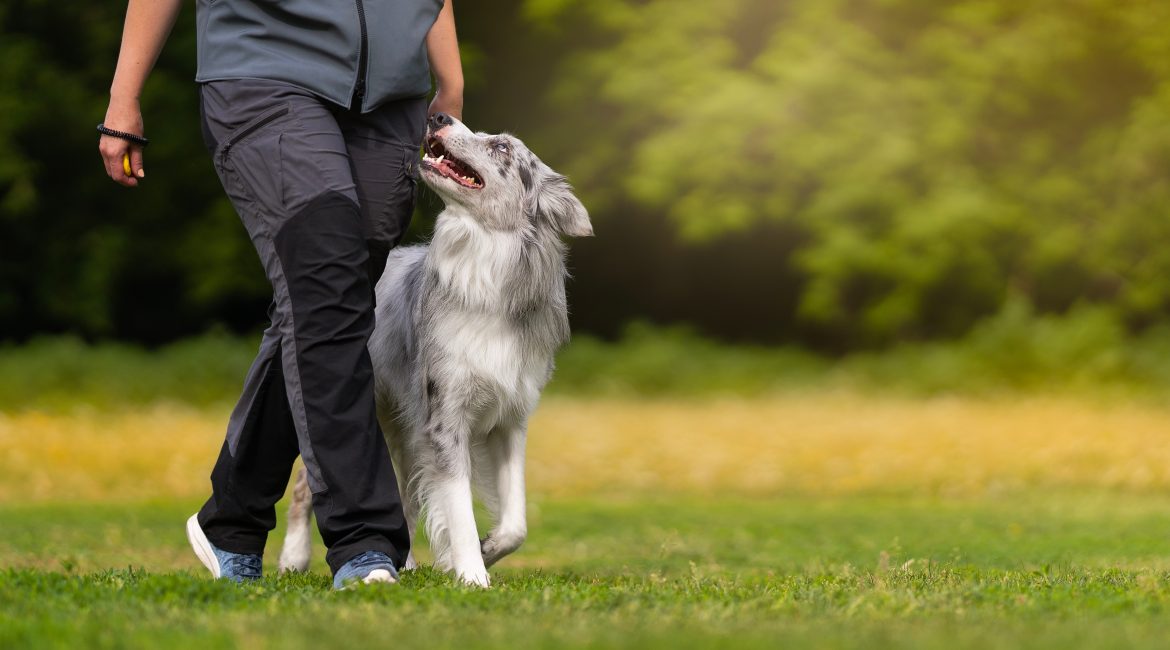

Winter has officially left the building. The days are getting warmer, walks are looking a lot more appealing and your dog is probably VERY ready to get back out there.
But if winter meant fewer walks, shorter outings and a little more time on the couch, it’s important to exercise your dog gradually as they get back into their usual routine.
Going from winter hibernation to long walks, hikes and endless games of fetch can put extra strain on muscles, joints and ligaments. Their enthusiasm might be at 100%, but their fitness might need a little time to catch up.
Here’s how to get those paws moving again without overdoing it.
Start with shorter walks
That first beautiful spring day can make a long walk very tempting.
Rather start with a shorter route and see how your dog handles it. If they’ve been less active over winter, they may tire more quickly than you’re used to.

You can gradually add a little more time or distance as their fitness improves.
And remember, every dog is different. Age, breed, weight and general health can all affect how much exercise is appropriate.
Discover way to exercise your dog.
Warm up before the zoomies begin
Your dog might be ready to sprint the second you arrive at the park. Their muscles might have other ideas.
Before you exercise your dog with running, fetch or energetic play, start with a few minutes of gentle walking. This gives their body a chance to get moving before the intensity goes up.
At the end, slow things down again with an easy walk rather than going straight from full-speed fetch to the car.
Build their fitness gradually
One great walk doesn’t mean they’re ready for a mountain.
Increase their activity over a few weeks rather than trying to get back to their old routine immediately. That could mean making walks slightly longer, adding an extra outing or slowly increasing the amount of active play.
Puppies, senior dogs, overweight dogs and dogs with existing health or joint problems may need a more gradual approach.
If your dog has an existing condition or hasn’t exercised regularly for a while, speak to your vet about what’s appropriate before making big changes to their routine.
Be careful with fetch and high-energy play
Ah, the tennis ball. Responsible for approximately 97% of your dog’s questionable life choices.
Fetch is great fun and gets dogs moving, but it also involves sprinting, stopping suddenly, jumping and changing direction quickly.
Those movements can put strain on muscles, joints and ligaments, especially when a dog hasn’t been doing much exercise.
You don’t need to hide the ball. Just start with shorter sessions, give them breaks and don’t keep throwing simply because your dog insists they’re ready for round 47.
Find different ways to exercise your dog
Not every outing needs to turn into a workout.
There are plenty of ways to exercise your dog without relying on constant running or high-energy games. Try:
- A new walking route with plenty to sniff
- Short games of fetch
- Gentle play in the garden
- Exploring a dog-friendly park
- A playdate with a familiar dog
- Slower walks where they get to stop and investigate everything
That last one might not feel like exercise when you’ve spent five minutes standing next to the same bush, but sniffing provides valuable mental stimulation too.
Know when your dog has had enough
Your dog probably won’t politely tell you they’ve reached their limit.
You need to watch for it.
Heavy panting, slowing down, lagging behind, repeatedly stopping or refusing to continue can all be signs that it’s time for a break.
Keep watching them once you’re home too.
Limping, stiffness, difficulty getting up, avoiding stairs or suddenly moving differently after exercise could mean they’ve overdone it or hurt themselves.
If you’re concerned about pain, lameness or changes in the way your dog moves, contact your vet.
Exercise your dog safely in warmer weather
More outdoor time also means dealing with warmer South African days again.
Try to exercise your dog during cooler parts of the day when temperatures climb and always make sure they have access to fresh water.
Hot surfaces are another thing to watch. Pavements and tar can heat up quickly and may become uncomfortable or unsafe for paws.
And if your dog is struggling in the heat, call it a day. The walk can wait.
Discover tips to keeping your pet cool this summer.
From couch potato to adventure buddy
Your dog might think they’re ready to go from winter naps to weekend hikes overnight. You know better.
Start small, increase their activity gradually and pay attention to how they move before, during and after exercise.
A little patience while they rebuild their fitness can help you enjoy plenty more walks, games and adventures together.
Of course, even when you do everything right, dogs have a talent for getting themselves into situations nobody planned for.
That’s where Oneplan Pet Insurance can help.
Depending on your chosen plan, you can get cover towards qualifying vet expenses when your pet needs care, giving you one less thing to worry about when an unexpected vet visit comes along.
So take it slowly, keep an eye on those overenthusiastic zoomies and enjoy getting back outside together.
Your Pet Insurance Family,