
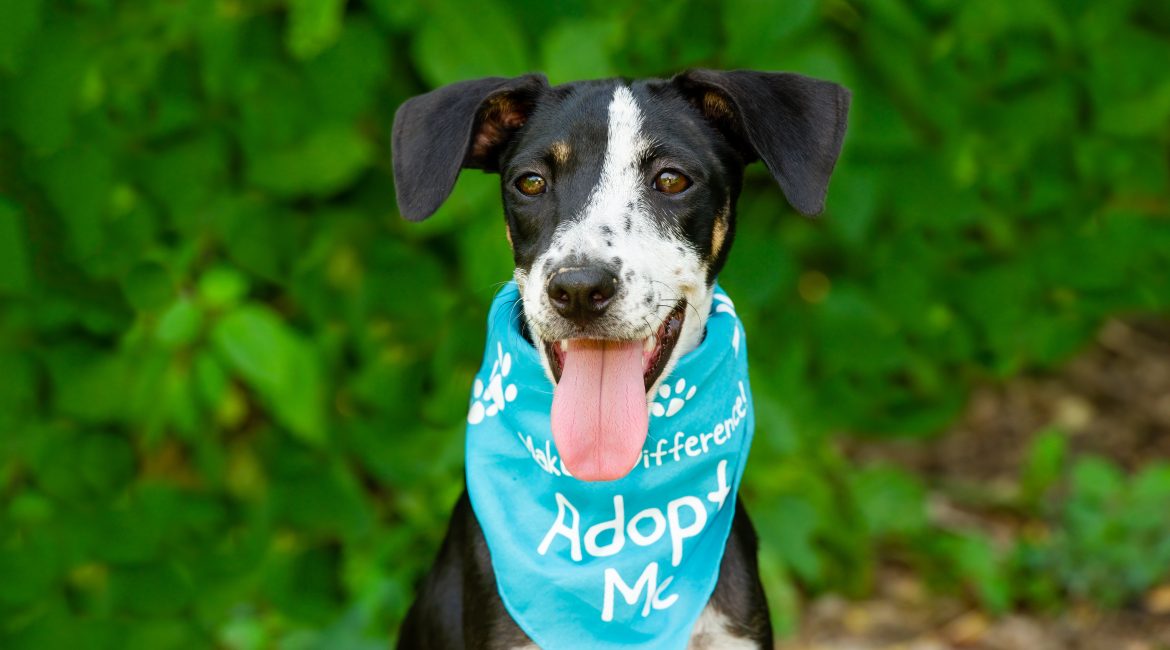
Adopting a rescue dog is an exciting time. And bringing home a new furry family member is an exciting milestone, especially when that family member is a rescue dog from a local shelter. Not only are you giving a deserving dog a second chance at life, but you’re also gaining a loyal companion who will love you unconditionally.
Whether you’re adopting a playful puppy or an older dog with a unique story, preparation is key to helping your new pet settle into their forever home. Every dog is different, and their personality, age, and background will influence how they adapt to their new environment.
The good news? With a little planning and the right supplies, you can make the transition smoother for both of you.
In this guide, we’ll cover everything you need to know before bringing home a rescue dog, from preparing your home and buying the essentials to training, feeding, and building a strong bond with your new best friend.
Preparing Your Home Before Adopting a Rescue Dog
Before bringing Bruno home, it’s important to create a safe and welcoming environment. One of the most important steps when adopting a rescue dog is ensuring your home is prepared for their arrival.
Start by dog-proofing your home and garden. Make sure your fencing is secure and that there are no gaps where your dog could escape. Remove or block access to any toxic plants, chemicals, cleaning products, rat poison, or insect traps that could be harmful.
You should also decide which areas of the home will be accessible to your dog and consider using pet gates if needed.
Creating a designated space where your dog can rest and feel secure can help reduce anxiety during the adjustment period. Remember, when adopting a rescue dog, everything in their new environment is unfamiliar, so providing a safe, comfortable space can help them settle in more quickly
Dog Adoption Checklist: What You’ll Need Before Bringing Your Dog Home
Having the essentials ready before your dog’s arrival can help them settle in more comfortably.
Here’s Your New Dog Checklist:
- Comfortable dog bed
- Food and water bowls
- Quality dog food
- Collar and ID tag
- Leash or harness
- Toys for play and mental stimulation
- Training treats
- Grooming supplies
- Waste bags
- Vet records and vaccination history
- Microchip registration details
Many shelters will arrange microchipping before adoption, but it’s important to confirm that your contact details are correctly registered.
Get your pet essentials from the OnePet Premium Store.
A collar with an ID tag and a registered microchip can significantly improve the chances of being reunited with your pet should they ever become lost.
Where to Buy New Dog Essentials
One of the easiest ways to prepare for your new arrival is to shop for everything in advance. From comfortable bedding and nutritious food to toys, grooming products, collars, leads, and treats, having the right products ready can help your dog feel safe and welcome from day one.
The OnePet Premium Store offers a carefully selected range of pet essentials designed to support every stage of your pet parenting journey, making it easy to find everything your new companion needs in one convenient place.
Transitioning Your Dog’s Food
Before bringing your dog home, ask the shelter what food they are currently eating.
A sudden change in diet combined with the stress of moving to a new environment can cause digestive upset. To avoid this, keep your dog on their current food for the first week or two.
If you decide to switch to a different food, do so gradually by mixing small amounts of the new food into the existing food over several days.
If you’re unsure which food is best for your dog, speak to your veterinarian for guidance based on your dog’s age, breed, size, and health needs.
Introducing Your New Dog to Existing Pets
If you already have dogs or other pets at home, introductions should be handled carefully.
Allow pets to meet gradually and in a neutral environment whenever possible. Keep initial interactions calm and supervised, and avoid forcing interactions if either animal appears nervous or uncomfortable.
Remember that building relationships takes time. Patience and positive reinforcement can go a long way in helping pets adjust to one another.
Bonding With Your New Rescue Dog
The first few days are crucial for building trust and helping your dog feel secure.
If possible, try bringing your new dog home before a weekend or during a period when you’ll have extra time to spend together. This allows you to establish routines and provide reassurance during the adjustment phase.
Some dogs may be confident and outgoing from the start, while others may need time to decompress and gain confidence.
Interactive toys, treats, gentle play, and daily walks can all help strengthen your bond and build positive associations with their new environment.
Most importantly, allow your dog to settle at their own pace.
Establish a Routine Early
When adopting a rescue dog, remember that dogs thrive on consistency.
Creating a predictable routine for feeding, walks, playtime, training, and bedtime can help your dog feel safe and understand what to expect each day.
Routine not only reduces stress but can also help with behavioural training and house training.
Try to stick to regular meal times and ensure everyone in the household follows the same rules and expectations.
Start Training as Soon as Possible
When you are adopting a rescue dog, training should begin from day one, but keep it simple and positive.
For puppies and dogs that have spent time living on the streets, house training is often the first priority. Once your dog is comfortable in their new environment, you can start teaching basic commands such as:
- Sit
- Stay
- Come
- Down
- Leave it
Short, consistent training sessions combined with positive reinforcement are usually the most effective approach.
Training treats, reward toys, and enrichment products can help make learning enjoyable for both you and your dog.
Schedule Your First Vet Visit
Within the first week or two of adopting a rescue dog, schedule a visit with your veterinarian.
This appointment allows your vet to review your dog’s medical history, perform a health assessment, and address any concerns you may have.
Regular veterinary care plays an important role in maintaining your dog’s health throughout their life.
Your vet can also advise you on vaccinations, parasite prevention, nutrition, dental care, and any breed-specific health considerations.
Essential Products Every New Dog Owner Should Have
As your dog settles into family life, you’ll quickly discover which products make everyday pet parenting easier.
Some of the most useful items include:
- Interactive toys for mental stimulation
- Durable chew toys
- Training treats
- Grooming brushes and shampoos
- Travel accessories
- Feeding accessories
- Dental care products
- Comfort blankets and bedding
Investing in quality products can help support your dog’s physical and emotional wellbeing while making life more convenient for pet parents.
The OnePet Premium Store offers a variety of trusted products designed to help dogs stay happy, healthy, and entertained throughout every stage of life.
Consider Pet Insurance for Unexpected Expenses
While no one likes to think about emergencies, unexpected accidents and illnesses can happen.
Many pet owners choose to protect themselves against unforeseen veterinary expenses by taking out pet insurance. Having cover in place when adopting a rescue dog can provide peace of mind and help ensure your pet receives the care they need when they need it most.
Read more about why Oneplan is the best choice for rescued dogs.
The best time to explore your options is often when your pet is young and healthy. Get your quote from Onepln Pet Insurance today, to protect your furry friend.
Final Thoughts on Adopting a Rescue Dog
Adopting a rescue dog is one of the most rewarding decisions you can make.
While the adjustment period may come with challenges, being prepared can make all the difference. By creating a safe environment, establishing routines, investing in quality pet products, and giving your dog plenty of love and patience, you’ll be setting them up for a happy and successful transition into their forever home.
Congratulations on your adoption journey. Your new best friend is about to change your life in the most wonderful way.