
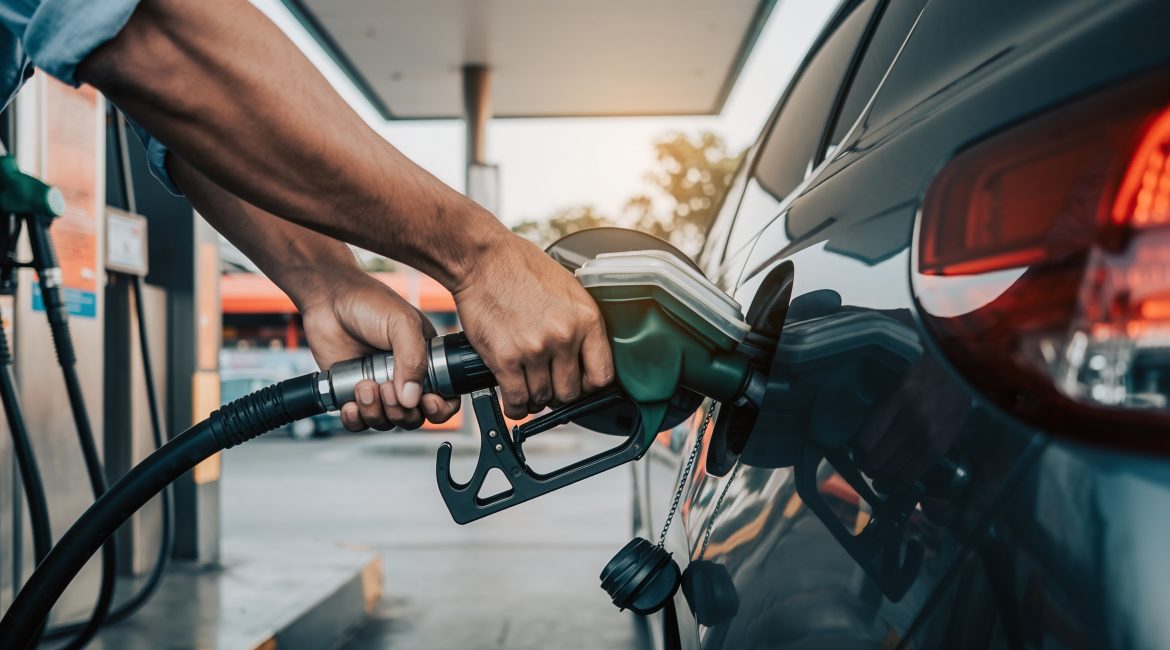

Fuel-saving tips are more important than ever as winter settles in and the cost of living continues to rise. Many South Africans are looking for practical ways to cut everyday expenses, and one of the biggest monthly costs for motorists is fuel. With petrol prices fluctuating regularly, every litre counts.
The good news is that improving your fuel economy doesn’t require major lifestyle changes. By adopting smarter driving habits and keeping your vehicle in good condition, you can reduce fuel consumption and keep more money in your pocket.
If you’re looking for effective fuel-saving tips in South Africa, these simple strategies can help you get more kilometres from every tank.
Read more about saving money around the house.
Why Fuel Efficiency Matters
Fuel costs can have a significant impact on your monthly budget. Whether you’re commuting to work, doing the school run, or planning a winter road trip, improving your vehicle’s fuel efficiency can lead to meaningful savings over time.
The best part? Many fuel-saving tips also improve road safety and help reduce wear and tear on your vehicle.

Our Top Fuel-Saving Tips
1. Service Your Car Regularly
Regular vehicle maintenance is one of the most effective ways to improve fuel economy.
A well-maintained engine runs more efficiently, helping your vehicle use less fuel while delivering better performance. During a routine service, mechanics can identify issues such as clogged air filters, worn spark plugs, or engine inefficiencies that may be increasing your fuel consumption.
Check your vehicle’s service schedule and ensure you stick to the manufacturer’s recommended intervals.
2. Keep Your Windows Closed at Higher Speeds
While fresh air is great, driving with your windows down at higher speeds increases aerodynamic drag, forcing your engine to work harder.
On highways and open roads, keeping your windows closed can improve fuel efficiency by reducing wind resistance. Similarly, removing unnecessary roof racks, bicycle carriers, or cargo boxes when they’re not in use can help your vehicle remain more aerodynamic.
3. Travel Light
The heavier your vehicle, the harder your engine has to work.
Take a look at what’s sitting in your boot. Many drivers unknowingly carry unnecessary items that add extra weight and increase fuel consumption.
Before heading out, remove anything you don’t need. A lighter vehicle generally requires less energy to move, helping you save fuel over time.
4. Avoid Excessive Idling
Many drivers underestimate how much fuel is wasted while idling.
If you’re waiting for someone, sitting outside a school, or parked for more than a minute, consider switching off your engine. Modern vehicles are designed to restart efficiently, and avoiding unnecessary idling can help reduce fuel usage.
Remember: a stationary vehicle with the engine running is still burning fuel.
5. Shift Gears Efficiently
If you drive a manual vehicle, shifting into higher gears at the right time can significantly improve fuel economy.
Driving at high engine revolutions for extended periods uses more fuel than necessary. Aim to change gears smoothly and avoid over-revving your engine whenever possible.
Gentle acceleration and maintaining a steady speed can also help improve fuel efficiency.
6. Look After Your Battery
Your battery plays an important role in your vehicle’s overall performance.
A weak or failing battery can place additional strain on your vehicle’s systems, potentially affecting fuel efficiency. Regular battery inspections can help identify issues before they become expensive problems.
If your battery is showing signs of age or poor performance, it may be time for a replacement.
7. Check Your Tyre Pressure Regularly
Properly inflated tyres can make a noticeable difference to fuel consumption.
Underinflated tyres create more rolling resistance, meaning your engine has to work harder to move the vehicle. This increases fuel usage and can also cause tyres to wear out faster.
Check your tyre pressure regularly and ensure it matches the manufacturer’s recommended specifications found in your owner’s manual.
Maintaining correct tyre pressure not only saves fuel but also improves handling, safety, and tyre lifespan.
More Fuel-Saving Tips for Everyday Driving
In addition to regular vehicle maintenance, consider these simple habits:
- Avoid aggressive acceleration and harsh braking.
- Maintain a consistent speed whenever possible.
- Use cruise control on long highway journeys where appropriate.
- Plan your routes to avoid unnecessary traffic congestion.
- Carpool with colleagues, friends, or family when possible.
- Avoid over-revving your engine.
- Remove unnecessary external accessories that create drag.
- Keep your vehicle clean and well-maintained.
Read more petrol saving tips.
Save Fuel and Protect Your Vehicle
While fuel-saving habits can help you reduce your monthly expenses, keeping your vehicle in excellent condition remains one of the smartest long-term investments you can make.
Routine maintenance helps improve fuel efficiency, reduces the likelihood of breakdowns, and can save you money on costly repairs down the line.
Of course, even the most careful drivers can encounter unexpected incidents on the road. That’s why having reliable car insurance is just as important as keeping your vehicle roadworthy. With Oneplan Car and Household Insurance, you can enjoy peace of mind knowing that you’re protected against life’s unexpected bumps, scrapes, and accidents.
By combining smart fuel-saving habits, regular vehicle maintenance, and comprehensive car insurance cover, South African drivers can reduce running costs, protect their finances, and enjoy safer, more efficient journeys this winter and beyond.
Stay safe on the road.
Your Insurance Family,
Oneplan