
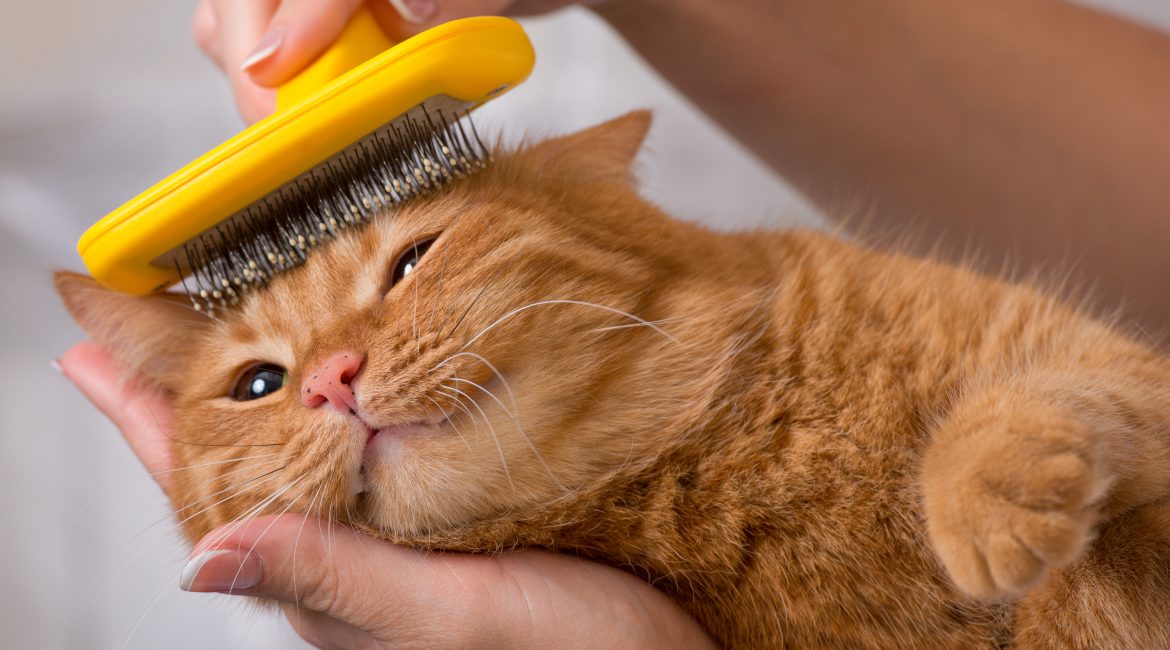
Cats are famous for keeping themselves clean, but even the most independent feline can benefit from a little help from their human.
Regular cat grooming isn’t only about keeping your cat looking good. It gives you an opportunity to check their coat, skin, paws and claws for anything unusual while helping to remove loose fur, dirt and tangles.
Whether you’re caring for a curious kitten, a long-haired beauty or an older cat that needs a little extra assistance, here are some essential grooming tips to help keep your feline friend looking and feeling their best.
Why Do Cats Need Grooming?
Cats naturally spend plenty of time grooming themselves. Their tongues have tiny backward-facing structures that help remove loose hair and debris from their coats.
But that doesn’t mean they can always handle everything themselves.
Long-haired cats can be particularly prone to knots and matting, while senior cats or cats with mobility difficulties may struggle to reach certain areas.
Regular cat grooming also gives you a chance to notice changes such as lumps, irritated skin, unusual hair loss, parasites or sensitive areas that may need attention from your vet.
Read more about how often you should groom your pet.
1. Brushing Your Cat
Brushing is one of the easiest cat grooming ways to help maintain your cat’s coat.
How often you need to brush will depend on your cat’s coat type, length and individual needs. Long-haired cats generally require more frequent brushing than short-haired cats to help prevent tangles and matting.
To make brushing easier:
- Choose a brush or comb suitable for your cat’s coat.
- Start when your cat is relaxed.
- Let them investigate the brush before you begin.
- Brush gently in the direction their fur grows.
- Pay attention to areas where knots commonly develop.
- Keep sessions short if your cat becomes uncomfortable.
- Use praise or a small treat to create a positive association with grooming.
Never pull aggressively at knots or mats. If you can’t safely remove one, ask a professional cat groomer or vet for assistance.
2. Bathing Your Cat
The good news for anyone who has ever tried putting a reluctant feline near water is that most healthy cats don’t need regular baths.
However, there may be occasions when a bath is necessary, particularly if your cat gets something dirty, sticky or potentially harmful on their coat.
If your cat comes into contact with a substance that could be toxic, contact your vet for advice as soon as possible. Don’t allow your cat to lick the substance from their fur.
When bathing is appropriate, use products specifically designed for cats. Human shampoos and other household products may irritate their skin or contain ingredients that aren’t suitable for pets.
Keep the experience calm, use lukewarm water and avoid getting water or shampoo in your cat’s eyes, ears and nose.
3. Trimming Your Cat’s Claws
Keeping an eye on your cat’s claws is another important part of their cat grooming routine.
Some cats naturally wear their claws down through activity and scratching, while others may need occasional trimming.
If you’re trimming your cat’s claws at home, only remove the sharp tip and avoid the quick, which contains blood vessels and nerves. Cutting into the quick can cause pain and bleeding.
If you’re unsure where to cut or your cat becomes distressed, don’t force it. Your vet or a professional groomer can safely trim their claws for you.
Providing suitable scratching posts and surfaces can also give your cat an appropriate place to scratch and maintain their claws.
Make Cat Grooming a Positive Experience
Not every cat will be enthusiastic about being brushed, bathed or having their paws handled. The key is to introduce grooming gradually and make the experience as positive as possible.
Start with short sessions when your cat is relaxed and allow them time to become familiar with brushes, combs and other grooming tools.
Rewarding calm behaviour with praise, affection or a small treat can help your cat build positive associations with their grooming routine.
And remember: if your cat has had enough, give them a break. Trying again later is usually better than turning grooming into a stressful experience for both of you.
Grooming Can Help You Spot Health Changes
One of the biggest benefits of doing regular cat grooming is becoming familiar with what’s normal for them.
While grooming, keep an eye out for:
- Lumps or swelling
- Bald patches or unusual hair loss
- Red or irritated skin
- Fleas, ticks or other parasites
- Wounds or sores
- Changes around the ears, eyes or mouth
- Unusual sensitivity or signs of discomfort
Finding something unusual doesn’t necessarily mean there’s a serious problem, but if you’re concerned about a change in your cat’s health or behaviour, speak to your vet.
Discover how you can get your Onepet Store discount.
Give Your Cat the Care They Deserve
A good cat grooming routine is about more than keeping your feline looking their best. Regular brushing, claw care and general check-ins can help keep them comfortable while giving you the opportunity to notice changes in their skin, coat or overall wellbeing.
Having the right grooming and everyday care essentials can make looking after your feline friend easier too.
From grooming essentials to everyday pet care products, the Premium OnePet PetStore makes it easier to find what you need to keep your furry family member happy and well cared for.
Explore the Premium OnePet PetStore for your pet care essentials and give your feline friend a little extra TLC from whiskers to paws.
Your Petstore Family,