
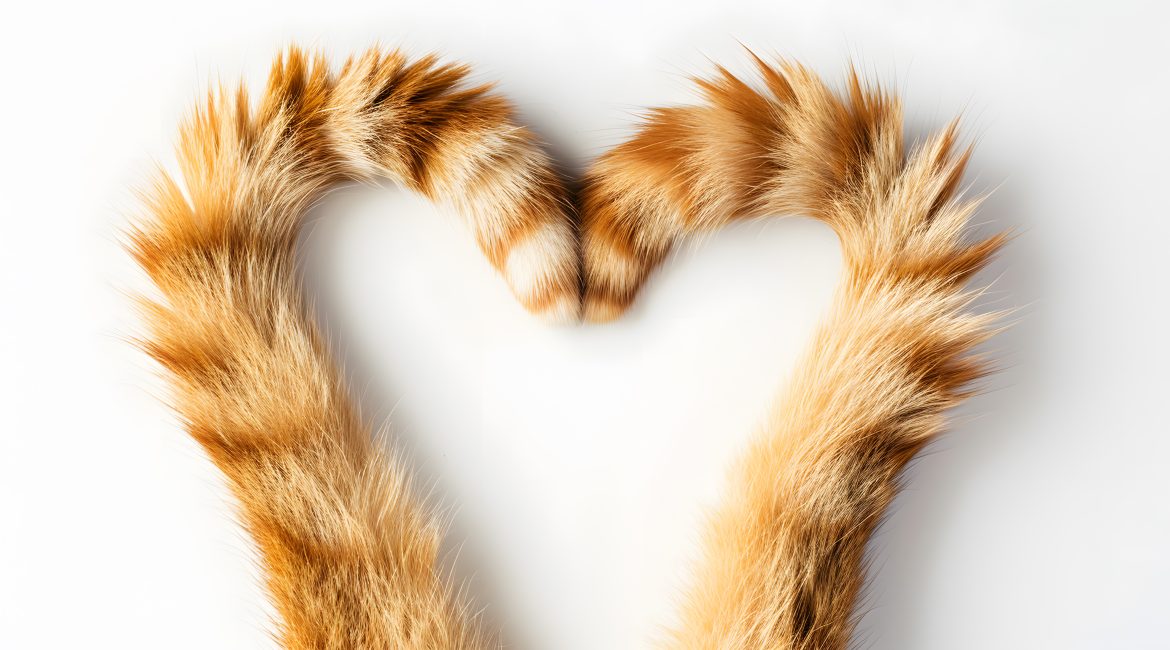

A cat’s tail can tell you far more than you might think. While dogs are easy to understand — a wagging tail means happiness and a growl or whimper signals something is wrong — cats tend to be far more mysterious. Fortunately, your cat’s tail can reveal important clues about their mood, behaviour, and emotional state.
One moment they’re purring on your lap, the next they’re climbing your curtains like tiny acrobats. Unlike dogs, cats are experts at hiding their emotions, which can make it difficult for pet parents to understand how they’re really feeling.
Fortunately, cats do have one major giveaway: their tails.
A cat’s tail can reveal everything from confidence and affection to fear and aggression. Learning to read your cat’s body language can help you better understand their moods, strengthen your bond, and even spot signs that your cat may be stressed or unwell.
Here’s what your cat’s tail position could mean.
A Tail Held High Means Confidence
When your cat walks toward you with its tail pointed straight up, it’s usually a sign of confidence, comfort, and friendliness.

Cats use this upright tail posture when they feel safe in their environment and are happy to interact with people or other pets. If your cat greets you at the door with a raised tail, consider it a compliment — they’re excited to see you.
The Question Mark Shape Shows a Playful Mood
If your cat’s tail curls slightly at the tip, creating a question mark shape, your feline friend is likely in a playful mood.
This tail position often means your cat is feeling affectionate, relaxed, and ready for attention or playtime. It’s the perfect opportunity to grab a toy or enjoy a cuddle session.
A Low or Flicking Tail Can Be a Warning Sign
A low tail can sometimes indicate irritation, nervousness, or aggression. While some cat breeds naturally carry their tails lower than others, sudden tail flicking or whipping is often a warning sign.
If your cat’s tail is moving quickly from side to side, they may be feeling overwhelmed, frightened, or annoyed. Giving them space can help them calm down and avoid unnecessary stress.
Understanding these warning signs can also help prevent scratches or bites during tense moments.
A Tucked Tail Often Signals Fear
A tucked tail usually means your cat is feeling scared or anxious.
Something in their surroundings may be making them uncomfortable, whether it’s a loud noise, an unfamiliar visitor, or another animal nearby. Some cats may also puff up their tails when frightened in an attempt to appear bigger and scare away potential threats.
If you notice this behaviour regularly, it may be worth checking for stress triggers or underlying health concerns.
Slow Swishing Usually Means Intense Focus
Cats often slowly swish their tails when they’re intensely focused.
You may notice this behaviour while your cat watches birds through a window, stalks a toy, or prepares to pounce on something moving nearby. It’s similar to how people sometimes bite their lips or stick out their tongues while concentrating.
This type of tail movement usually signals curiosity and focus rather than irritation.
Wrapping Their Tail Around Another Cat Shows Affection
When a cat wraps its tail around another cat — or even around your leg — it’s a sign of affection and companionship.
Much like humans placing an arm around a friend’s shoulder, cats use this gesture to show trust, comfort, and social bonding. It’s one of the clearest signs that your cat feels safe and connected.
Learn more about how cats communicate with other cats.
Understanding Your Cat’s Body Language Helps You Care for Them Better
Learning to interpret your cat’s tail movements can help you become a more attentive pet parent. Changes in body language can sometimes indicate stress, fear, discomfort, or even illness before other symptoms appear.
By understanding your cat’s behaviour, you can respond appropriately, reduce anxiety, and ensure they stay happy and healthy.
And when unexpected vet visits happen, having reliable pet insurance can help give you peace of mind.
Your Pet Insurance Family,
Oneplan