
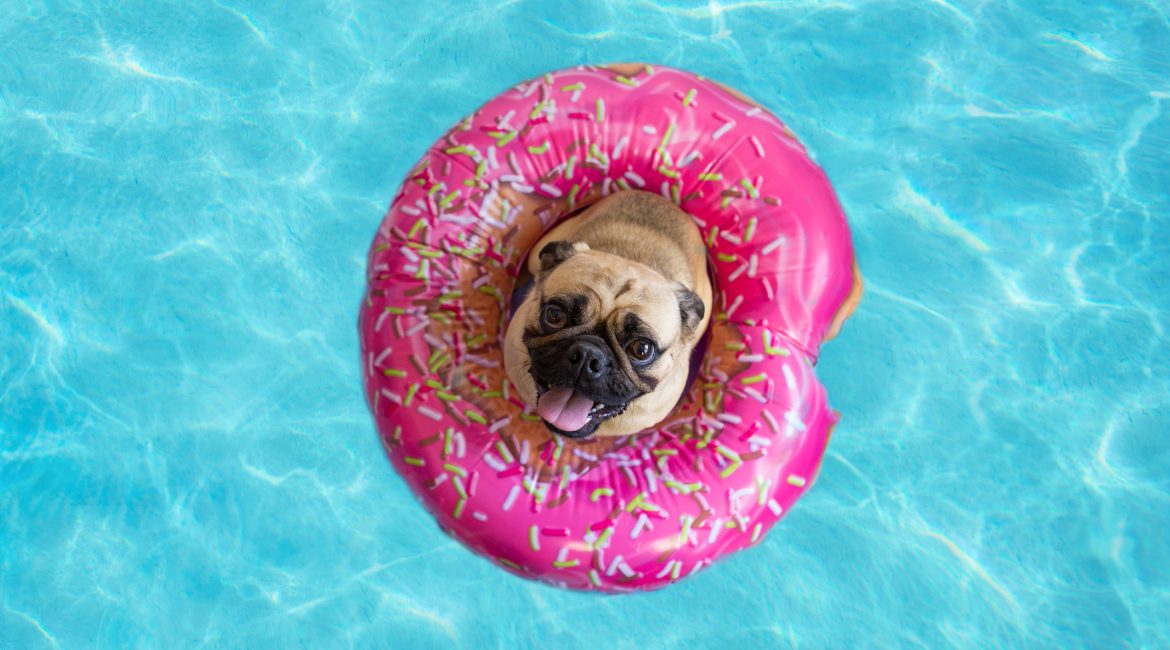

There’s nothing quite like jumping into the pool on a hot South African summer’s day.
And while you’re cooling off, there’s a good chance your dog is either splashing around with you or watching from the sidelines, wondering why on earth you’d willingly get wet.
But here’s the thing. Just because your pet enjoys being around the pool doesn’t mean they’re safe in the water.
Swimming can be great exercise for some dogs, but pools also come with risks that pet parents need to know about.
Whether your dog thinks they’re the next Olympic swimmer or your cat prefers watching the action from a safe distance, here are a few pool safety tips to keep your four-legged family members safe this summer.
1. Not all pets are natural swimmers
You’ve probably heard that all dogs instinctively know how to swim.

Well, that’s not entirely true.
While some breeds, like Labradors and Golden Retrievers, are often comfortable in the water, others can struggle to stay afloat.
Flat-faced breeds like Bulldogs and Pugs may have difficulty breathing while swimming, while dogs with short legs or heavy bodies can tire more quickly.
Puppies, senior dogs and pets with certain health conditions may also find swimming difficult.
And cats? Well, most would rather avoid the whole situation altogether.
The important thing is to never assume your pet can swim.
If you’re introducing your dog to water, start slowly in a shallow, safe area and let them build confidence at their own pace.
A properly fitted pet life jacket can also provide extra support, especially for inexperienced swimmers.
And if your pet clearly isn’t interested in swimming, don’t force them.
2. Never leave your pet alone near the pool
It’s easy to think that stepping inside for a minute won’t make a difference.
But accidents can happen quickly, especially around water.
Even dogs that swim regularly can become exhausted, panic or struggle to find their way out of the pool.
And curious puppies or cats can accidentally fall in while investigating the water.
That’s why active supervision is so important.
If your pet has access to the pool area, make sure someone is keeping an eye on them.
When the pool isn’t being used, a secure fence with a self-closing gate can help prevent pets from accessing the water unsupervised.
Remember, a pool cover isn’t necessarily a safety barrier. Some covers can trap pets underneath if they fall onto them.
The safest option is to make sure your pet can’t access the pool when nobody is around to supervise.
Discover ways to keep your pets cool this summer.
3. Make sure your pet knows how to get out
Imagine jumping into a pool and suddenly realising you have no idea where the steps are.
Pretty scary, right?
Now imagine being a dog trying to figure that out while paddling around.
Even confident swimmers can panic if they can’t find a safe way out of the water.
Before letting your dog swim, show them exactly where the pool steps or exit ramp are.
You can gently guide them towards the exit and practise a few times so they become familiar with it.
If your pool has steep sides or a ladder that pets can’t use, consider installing a pet-friendly pool ramp.
And remember, knowing how to swim doesn’t automatically mean knowing how to get out.
4. Pool safety starts with clean drinking water
One important part of pool safety for pets is making sure they’re not drinking the pool water.
We’ve all accidentally swallowed a little pool water while swimming.
And pets are no different.
But while a few accidental sips of properly maintained pool water are usually not a major concern, drinking large amounts can cause problems.
Pool chemicals can irritate your pet’s digestive system, and swallowing too much water can lead to vomiting or other health complications.
To help prevent this, always keep a bowl of fresh drinking water nearby.
Encourage your pet to take regular breaks and offer them clean water, especially on hot days.
Another important pool safety tip for pets is to keep concentrated pool chemicals securely stored and completely out of reach.
If your pet drinks concentrated pool chemicals, seek veterinary advice immediately.
5. Pool safety doesn’t end after swimming
Your dog might be having the time of their life splashing around, but their skin and coat might not love the pool water quite as much.
Chlorine and other pool chemicals can sometimes cause irritation, especially in pets with sensitive skin.
That’s why rinsing your dog after swimming is an important part of pool safety for pets.
After swimming, give your dog a quick rinse with fresh water to remove any remaining pool chemicals.
Then gently dry them with a towel, paying attention to areas where moisture can become trapped.
If you notice redness, excessive scratching or unusual skin irritation after swimming, speak to your vet.
Remember, good pool safety habits don’t stop the moment your pet gets out of the water.
A quick rinse now could help prevent an uncomfortable problem later.
6. Don’t forget about their ears
When it comes to pool safety for dogs, their ears are something many pet parents overlook.
Water can get trapped inside your dog’s ears after swimming, creating a moist environment where bacteria and yeast can thrive.
This can increase the risk of ear infections, particularly in dogs with floppy ears or those already prone to ear problems.
One simple pool safety tip is to gently dry the outer part of your dog’s ears with a soft towel after swimming.
Avoid inserting cotton buds or other objects into the ear canal.
If your dog frequently develops ear infections, ask your vet whether a suitable ear-cleaning product should be part of their swimming routine.
And keep an eye out for symptoms such as:
- Frequent head shaking.
- Scratching at the ears.
- Redness or swelling.
- An unusual smell or discharge.
- Discomfort when their ears are touched.
If you notice any of these signs, it’s best to book a vet appointment.
Keeping your dog’s ears clean and dry is another small but important part of pool safety for pets, especially during the summer months.
7. Know what to do if your pet gets into trouble
Even with precautions in place, swimming accidents can happen.
If your pet falls into the pool or starts struggling, act quickly, but don’t put yourself in danger.
Use a pool net, flotation device or another safe method to help them out if you can’t reach them safely.
Once they’re out of the water, check their breathing and behaviour.
If your pet is coughing persistently, breathing abnormally, unusually tired, collapsing or showing signs of distress, seek emergency veterinary care.
Breathing problems can sometimes develop after a near-drowning incident, even if your pet initially seems okay.
If your pet has been submerged or has had difficulty breathing in the water, contact a vet urgently, even if they appear to recover.
Discover pet hazards that could lead to vet visits.
Pool safety means that a safe summer is a happy summer
Summer is all about enjoying the sunshine, spending time outdoors and making memories with your pets.
And if your dog loves swimming, the pool can be a great place for them to cool off and have some fun.
Just remember that a little supervision and preparation can go a long way towards preventing accidents.
Make sure your pet knows how to get out of the water, keep fresh drinking water nearby and never leave them unattended around the pool.
And if your pet would rather enjoy summer from a shady spot with a bowl of cold water?
That’s perfectly fine too.
At Oneplan Pet Insurance, we know that pets have a way of getting themselves into unexpected situations. That’s why having Pet Insurance can help you prepare for certain unexpected veterinary expenses, depending on your chosen cover.
Because the only thing you should be worrying about this summer is whether your dog is going to shake pool water all over you.
Want to be better prepared for unexpected vet bills? Explore Oneplan Pet Insurance and find cover that suits your pet’s needs.
Your Pet Insurance Family,
Oneplan Pet Insurance benefits are subject to the selected plan’s terms, limits, waiting periods and exclusions.