
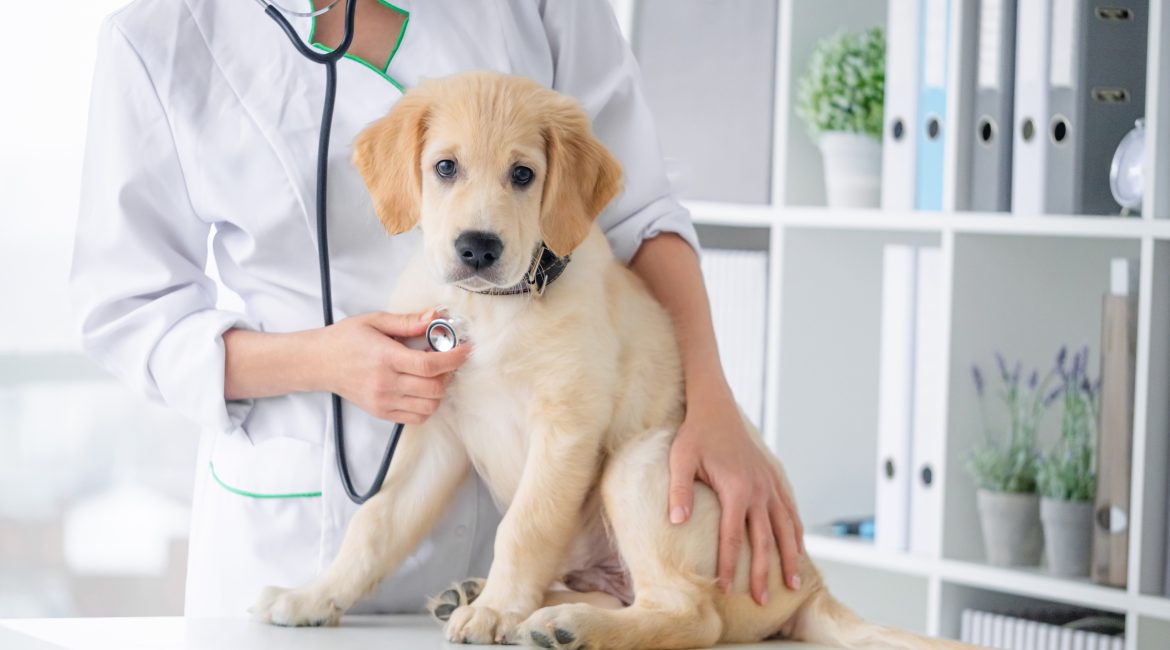

There are some parts of pet care that are pretty hard to forget.
An empty food bowl? You’ll hear about it. A walk that’s five minutes late? Your dog is already waiting at the door. And somehow, your cat always knows exactly when dinner should be served.
Then there are the things that are much easier to forget, like deworming your pet.
It’s not something you necessarily think about when your pet is happy, eating normally and causing their usual amount of chaos. But keeping up with deworming is an important part of looking after their health, even when there are no obvious signs that something is wrong.
But my pet looks perfectly healthy?
That’s exactly why deworming your pet can be easy to put off.
We tend to react quickly when something is visibly wrong. If your dog starts limping or your cat suddenly stops eating, you know it’s time to pay attention.

Worms aren’t always quite so obvious.
Depending on the type and severity of an infestation, signs can include vomiting, diarrhoea, changes in appetite, weight problems or an itchy bottom. Puppies and kittens may also struggle to gain weight properly.
The absence of an obvious worm wriggling around doesn’t mean deworming should fall off your pet-care list.
Yes, even your indoor pet
It’s easy to imagine worms as something only adventurous outdoor pets pick up.
You know the type. The dog who considers unidentified garden objects a snack or the cat who occasionally arrives home looking suspiciously pleased with themselves.
But deworming your pet is still important, even if they spend most of their time indoors. Pets can be exposed to worms in several ways.
Contaminated soil and faeces can play a role, fleas can carry certain tapeworms, and cats that hunt can be exposed through infected prey. Puppies and kittens can also acquire certain worms from their mothers.
In other words, “but my pet mostly stays inside” isn’t necessarily a reason to forget about deworming.
The gross habits we pretend our pets don’t have
We love them dearly, but pets can be disgusting.
Dogs sniff, lick and occasionally eat things that make their humans question every kiss they’ve ever accepted from them.
Cats groom themselves, hunt and explore places we don’t necessarily see.
And that’s normal pet behaviour.
You can’t follow your pet around all day sanitising everything they touch. What you can do is make preventative care part of their normal routine.
Pick up pet poop regularly, keep their environment clean and stay on top of flea prevention too. Flea control is particularly worth remembering because pets can acquire a common type of tapeworm by swallowing infected fleas.
Discover the signs that your pet has worms.
Put deworming your pet on the calendar
If you can remember vaccinations, grooming appointments and when the dog food is about to run out, deworming your pet deserves a spot on the calendar too.
How often your pet needs to be dewormed can depend on their age and circumstances.
Puppies and kittens generally need a different and more frequent schedule during their first few months, while adult pets still need regular deworming. Your vet is the best person to recommend the right routine for your pet.
A recurring reminder on your phone can make something that’s easy to forget much easier to stay on top of.
Don’t just grab any dewormer
A shelf full of pet products can make deworming your pet look pretty straightforward: pick a box, give it to your pet and job done.
Not necessarily.
Different deworming products may target different worms, and the correct treatment can also depend on your pet’s weight.
Rather than guessing, ask your vet which option is suitable for your dog or cat and how often it should be given.
And if tablets turn your cat into a tiny, furious tornado with claws, ask your vet about the different treatment options available.
What if you think your pet already has worms?
Maybe you’ve noticed a change in their poop. Maybe they’re scooting across your freshly cleaned carpet. Or perhaps something about their appetite, weight or behaviour just seems off.
Don’t immediately assume worms are the cause.
For example, scooting can be associated with an itchy bottom, but it can also happen because of problems such as blocked anal glands.
If you’re unsure, speak to your vet.
A vet can examine your pet and, when appropriate, test a stool sample to check for evidence of worms.
That way, you’re treating the actual problem instead of playing Dr Google with your furry family member.
Understand what the Spirocera Lupi worm is.
Small routine, big part of pet care
Being a good pet parent isn’t only about reacting when your pet gets sick.
It’s all the little things you do in between.
Keeping their vaccinations up to date. Checking their paws, ears and teeth. Staying on top of flea control. Feeding them appropriately. Booking that vet visit you’ve been meaning to book.
And yes, deworming your pet.
It might not be the cutest part of having a dog or cat, but preventative care rarely is.
Your pet would probably much rather you focus on treats, belly rubs and walks anyway. You can handle the boring health admin for them.
And for those times when pet care doesn’t go according to plan, Oneplan Pet Insurance can help you prepare for eligible veterinary expenses, depending on your chosen plan.*
Because they can’t plan for the unexpected. Luckily, you can.
Your Pet Insurance Family,