
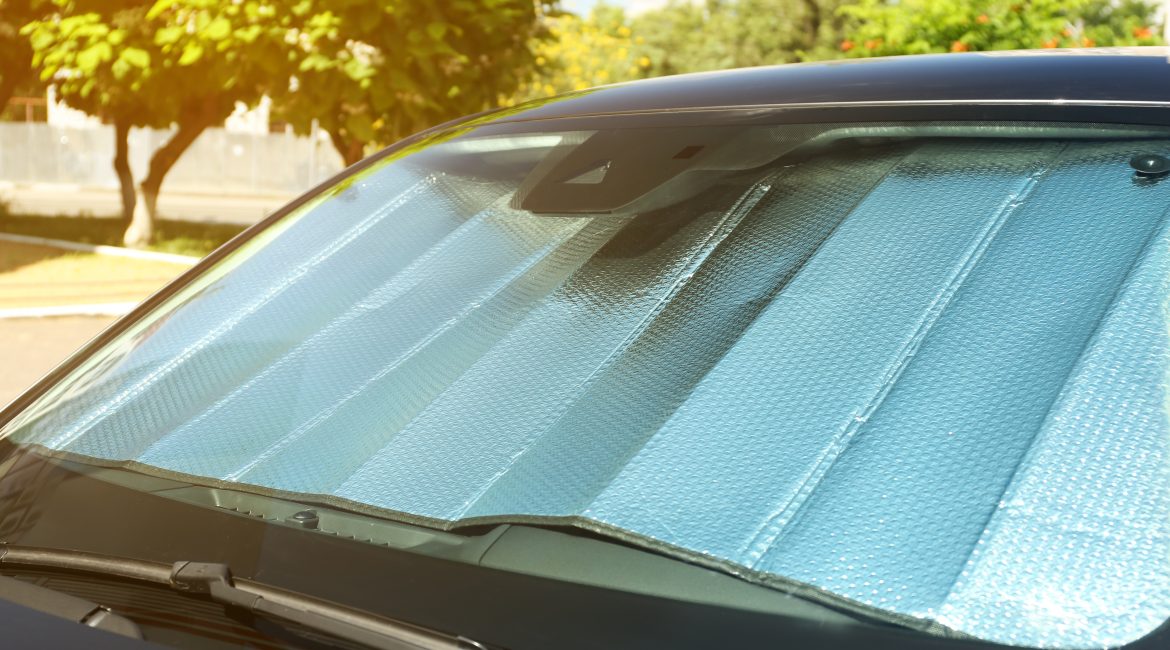

We South Africans love the summer sun! Our country is blessed with the best summers, but do you protect your car from our sunny South African summer heat? Your car spends most of its days in the heat and in direct sunlight, and just like you need sunblock, your car needs protection too. Here’s what you should do to protect your car.
Studies have shown that when a car is left in the sun on a 35°C summer’s day, the air inside the car can reach 47°C and the dashboard can reach 69°C. That is hot.
It is not just the exterior and interior of your car that you should be concerned about. The engine and battery can also suffer due to rising heat levels.
As summer and hotter weather roll in, there are some simple things you can do to protect your car against the sun and summer heat so that you do not run into problems or breakdowns during the warmer months.
9 Tips to protect your car from the summer heat
1. Check the coolant
Coolant keeps your car’s engine from freezing or overheating. Commonly referred to as antifreeze, engine coolant contains ingredients that help prevent corrosion of engine parts.
Heat forces your vehicle to work harder, and coolant helps prevent overheating. Your owner’s manual, usually found in your car’s cubbyhole, will explain how often you should flush your coolant system and replace the fluids.

2. Top up your car’s fluids
Make sure your car has everything it needs to run as smoothly as possible.
Open the bonnet and check the levels of your motor oil, transmission fluid, power steering fluid and brake fluid. If you are unsure how to do this, head to your nearest petrol station and ask them to help ensure everything is at the correct level.
3. Check your car’s battery
High temperatures can cause battery fluid to evaporate more quickly, which can lead to corrosion on the terminals and connections. In short, heat is not ideal for battery health.
If you notice any build-up, clean it off the battery terminals and cable clamps so that the clamps fit correctly.
4. Blast that aircon
Nothing feels better than cranking up the air conditioning on a hot summer’s day.
Test your aircon by turning it up to make sure it reaches its coldest setting and that each vent has proper airflow. If it is not as cool as it should be, the refrigerant levels may be low. Have the system checked and regassed if necessary.
Proper air conditioning does more than keep you cool. It can help you stay alert and reduce heat-related fatigue, helping you drive more safely.
Read next: Simple At-Home Tyre Inspection: 5 Expert Tips
5. Inspect your vehicle’s belts
Check your hoses and drive belts to see how worn they are.
Look for cracking, soft spots or other signs of wear and tear. Damaged or worn parts are more likely to fail in hot driving conditions. If you are unsure how to inspect these components, book your car in for a service. If your car has been serviced recently, you should be good to go.
6. Properly inflate your tyres
Temperature changes can affect the air pressure in your tyres.
If overinflated or underinflated tyres are combined with hot tar and brake friction, you could be heading for a tyre blowout.
Check your owner’s manual for the correct tyre pressure and inspect your tyres at least once a month, including your spare. Ideally, check them every second time you fill up with petrol.
Also inspect the tread for cracks, bulges or uneven wear.
7. Test your windscreen wipers
Your windscreen wipers endure harsh conditions all year round. Cold winters and blistering summer heat can cause them to crack, lose flexibility or become misshapen.
Give them a quick check and replace them if needed. This ensures they are in good condition when you are caught in a summer thunderstorm.
Learn more: How to Drive Safely During a Summer Storm: 8 Helpful Tips
8. Update your emergency kit
Do you have an emergency kit in your car? If not, now is the time to get one.
Check your kit for expired items or supplies that need replacing. Make sure it includes essentials for summer emergencies such as sunblock, a rain poncho and a sealed bottle of water.
Check this out: 5 Bad Driving Habits to Avoid Right Now
9. Give your car a good clean
Tree sap, bird droppings, bugs, rain and dust can build up on your car during summer and may damage the paint.
Summer weather is ideal for washing your car regularly. Waxing or polishing your car occasionally can also help protect it from harsh conditions.
Keeping your car well maintained during the summer heat is a great way to keep you and your passengers safe. And with honest, upfront car insurance from Oneplan, you can avoid financial strain if your car is damaged, stolen or involved in an accident.
Yours in affordable and reliable car insurance,
Oneplan