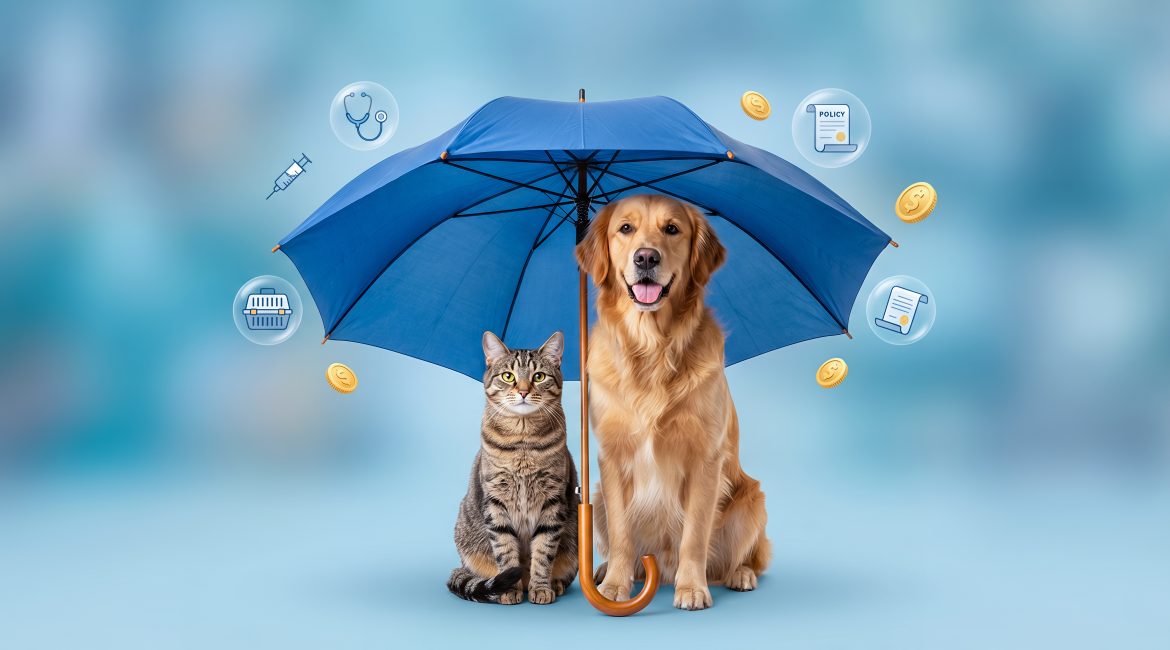
Taking out pet insurance may seem straightforward, but many pet owners only realise what they should have known after they’re faced with an unexpected veterinary bill or a denied claim.
Whether you’re looking for pet insurance for a puppy, kitten, dog, or cat, understanding how pet cover works can save you money and ensure your furry family member gets the care they deserve.
Before choosing a policy, here are seven important things you’ll kick yourself for not knowing sooner.
1. The Best Time to Get Pet Insurance Is Before You Need It
One of the biggest mistakes pet owners make is waiting until their pet becomes sick or injured before considering pet insurance.
The reality is that most providers do not cover pre-existing conditions. This means any illness, injury, or medical issue your pet develops before you take out cover may not be covered by your policy.
Insuring your pet while they’re young and healthy often means:
- Lower monthly premiums
- Access to preventative care benefits
- Better long-term coverage
- Protection before unexpected health issues arise
The earlier you start, the more comprehensive your pet’s protection can be.
2. Your Pet’s Breed Can Affect Your Insurance Premium
Not all pets face the same health risks.
Certain dog and cat breeds are more susceptible to hereditary conditions, chronic illnesses, and breed-specific health concerns. Because of this, insurers often consider breed when calculating premiums and coverage options.
For example, some breeds are more prone to:
- Hip dysplasia
- Heart conditions
- Respiratory issues
- Joint problems
- Skin disorders
If you’re unsure of your pet’s breed, speak to your veterinarian. Understanding your pet’s genetic predispositions can help you choose the most suitable pet insurance plan.
3. Wellness and Routine Care Cover Matter More Than You Think
Many pet owners focus only on emergency medical cover, but preventative healthcare is just as important.
Wellness and routine care benefits can help cover:
- Annual vaccinations
- Health checks
- Deworming
- Tick and flea prevention
- Dental care
- Sterilisation procedures
Regular preventative care can help identify health issues early, potentially reducing costly treatments later on.
When comparing policies, make sure you understand whether routine and wellness care are included or available as optional benefits.
4. The Cheapest Pet Insurance Isn’t Always the Best Value
While affordability is important, choosing a pet insurance policy based solely on price can be costly in the long run.
A lower premium may come with:
- Lower annual limits
- Higher excess payments
- More exclusions
- Limited coverage options
- Restricted benefits
Instead of asking, “What’s the cheapest pet insurance?”, ask:
“Which policy offers the best protection for my pet’s needs?”
The right cover can provide financial relief during emergencies and ensure your pet receives the best possible treatment when it matters most.
Read more about choosing the pawfect pet insurance policy.
5. Understanding Insurance Terminology Can Save You Thousands
Insurance documents are often packed with unfamiliar terms, but understanding them is essential.
Some key pet insurance terms include:
Pre-existing Condition
A medical condition that existed before the policy started.
Waiting Period
The period between taking out the policy and when certain benefits become active.
Excess
The amount you contribute towards a claim before the insurer pays.
Annual Limit
The maximum amount your insurer will pay out during a policy year.
Benefit Limit
The maximum amount payable for a specific treatment or condition.
Taking time to understand these terms can prevent unpleasant surprises when you need to submit a claim.
6. Not All Pet Insurance Policies Cover the Same Things
Many pet owners assume all pet insurance plans offer similar benefits, but coverage can vary significantly between providers.
Some policies may cover:
- Accidents
- Illnesses
- Surgery
- Specialist treatment
- Diagnostic tests
- Hospitalisation
Others may exclude certain treatments or conditions entirely.
Before signing up, carefully review what is covered, what is excluded, and any applicable limits.
7. Pet Insurance Is About More Than Vet Bills
The real value of pet insurance isn’t just financial protection.
It’s the peace of mind that comes from knowing you can make healthcare decisions based on what’s best for your pet rather than what you can afford at the time.
Unexpected veterinary expenses can place enormous strain on families. Having the right pet insurance allows you to focus on your pet’s recovery instead of worrying about the cost of treatment.
Frequently Asked Questions
Is pet insurance worth it in South Africa?
Yes. Veterinary costs continue to rise, and pet insurance can help cover unexpected accidents, illnesses, surgeries, and ongoing treatments.
Does the policy cover pre-existing conditions?
Most pet insurance providers do not cover pre-existing conditions. It’s best to insure your pet before health problems develop.
What does pet insurance usually cover?
Coverage varies but often includes accidents, illnesses, surgery, hospitalisation, diagnostics, and emergency treatment.
Can older pets get cover?
Many insurers offer cover for older pets, although premiums may be higher and some conditions may be excluded.
Read more about Oneplan Pet Insurance FAQs
Final Thoughts
Choosing pet insurance isn’t just about finding the lowest premium. It’s about finding cover that helps you protect your pet’s health, manage unexpected veterinary costs, and enjoy peace of mind when it matters most.
At Oneplan, we believe every pet deserves access to quality healthcare. By understanding these seven important facts, you’ll be better equipped to choose cover that meets your pet’s needs today and supports them throughout their lifetime. Get your quote today.
Your Pet Insurance Family,
Oneplan