When was the last time you visited your doctor just for a check-up?
Not because you were sick. Not because something hurt. Just to make sure everything was ticking along the way it should.
Preventive healthcare is all about looking after your health before a problem becomes more serious. Regular check-ups and screenings can help identify potential health concerns early, give you a better understanding of your overall wellbeing and help you make more informed decisions about your health.
And while life gets busy and routine check-ups can easily slip to the bottom of the to-do list, making time for preventive care can be one of the best things you do for future you.
What is preventive healthcare?
Preventive healthcare is medical care focused on helping prevent illness, identify potential health risks and detect certain conditions as early as possible.
It is different from diagnostic care, which usually happens when you already have symptoms or a known medical condition that needs investigation or treatment.
Depending on your age, health, family history and individual risk factors, preventive care may include things like:
- Routine GP check-ups
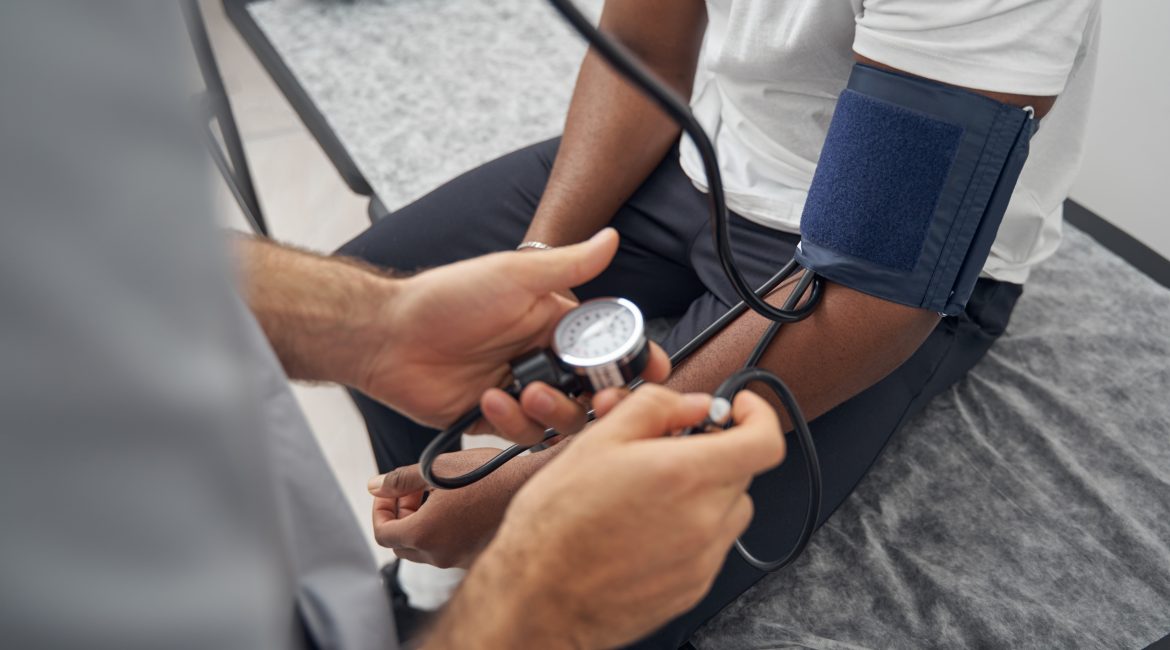
- Blood pressure checks
- Cholesterol tests
- Blood tests
- Cancer screenings
- Eye examinations
- Dental check-ups
- Other health screenings recommended by your healthcare professional
There is no single preventive healthcare checklist that works for everyone, so speak to your doctor about which checks are right for you.
Why do regular health check-ups matter?
It can be easy to fall into the mindset of only visiting a doctor when something feels wrong.
But not every health condition gives you a loud warning sign straight away.
Some conditions can develop gradually or have few obvious symptoms in their early stages. Regular check-ups give your healthcare professional an opportunity to monitor important health indicators and investigate anything that may need a closer look.
Think of it as giving your body a regular service.
You probably wouldn’t wait until your car breaks down on the side of the highway before checking the oil, tyres or brakes.
Your health deserves at least the same attention.
Discover 10 check-up you should not skip.
Early detection can make a difference
One of the biggest advantages of preventive healthcare is the opportunity to identify potential problems earlier.
Depending on the condition, early detection can allow you and your healthcare provider to consider treatment, lifestyle changes or further testing sooner rather than later.
That does not mean every illness can be prevented or avoided.
Sometimes health problems happen even when you do everything right.
But keeping up with appropriate screenings and check-ups can help you stay informed and involved in your own healthcare.
What health checks should you consider?
The health checks you need will depend on your personal circumstances.
Your doctor may consider things such as your:
- Age
- Family medical history
- Lifestyle
- Existing medical conditions
- Medication
- Previous test results
- Individual risk factors
Some people may need more frequent monitoring than others.
For example, someone at higher risk of a particular condition may need specific screenings more regularly.
The important thing is not to diagnose yourself based on a checklist you found online.
Chat to your healthcare professional and create a preventive healthcare routine that makes sense for you.
Don’t forget about the everyday basics
Preventive healthcare isn’t only about tests and appointments.
The everyday things count too.
Regular movement, balanced nutrition, enough sleep, stress management and avoiding harmful habits can all form part of looking after your long-term health.
And yes, we know.
“Eat well, exercise and get enough sleep” is probably advice you’ve heard approximately one thousand times.
But there’s a reason healthcare professionals keep saying it.
The small things you do consistently can make a big difference over time.
What happens when preventive care leads to further treatment?
Sometimes a routine check-up does exactly what it is supposed to do.
It finds something that needs further investigation.
That might mean additional tests, a specialist consultation, a procedure or even hospital treatment.
And this is where the financial side of healthcare can suddenly become very real.
If you have medical aid, you may assume that the full cost of treatment will automatically be covered.
Unfortunately, that isn’t always the case.
Depending on your medical scheme and the healthcare provider you use, there may be a difference between what the provider charges and what your medical aid pays.
That difference can leave you with an unexpected bill.
This is where Gap Cover can come in
Gap Cover is designed to work alongside your medical aid and can provide additional financial protection against certain eligible medical expense shortfalls, subject to the benefits, limits and terms of your policy.
It does not replace medical aid.
Instead, it can help with qualifying gaps that may arise when your medical scheme does not cover the full eligible cost of certain medical treatment.
So while preventive healthcare is about taking care of your health before problems become bigger, Gap Cover is about being better prepared for some of the unexpected costs that may come with medical treatment.
The two do very different jobs, but they can work well together.
Prevention first, protection when you need it
Regular health checks are about giving yourself the best opportunity to stay informed about your health.
Make the appointment.
Ask the questions.
Keep up with the screenings your healthcare professional recommends.
And if you already have medical aid, it may also be worth understanding what your scheme covers, where shortfalls could arise and whether Gap Cover could provide an additional layer of protection.
Because taking care of your health should always come first.
Being prepared for the bill is simply part of the plan.
Your Gap Cover Family,