
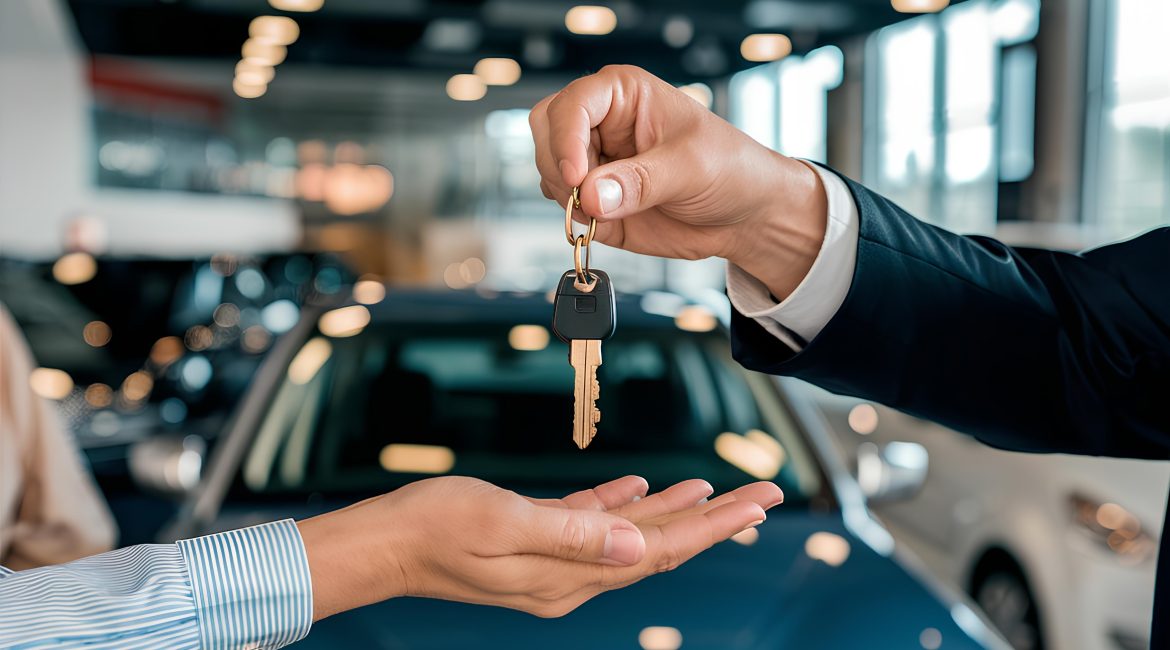

Buying a second-hand car can feel exciting… and slightly terrifying at the same time.
Whether you’ve finally saved enough for your first car, or you’re upgrading your current set of wheels, the process can quickly become overwhelming. From confusing jargon to pushy salespeople and hidden costs, many South Africans simply don’t know where to start when buying a used car.
The good news? Buying a reliable second-hand car doesn’t have to be stressful.
To help you shop smarter and avoid expensive mistakes, we’ve put together 10 practical tips to help you buy a second-hand car like a pro.
1. Decide on your budget, and stick to it
Before you even start browsing listings, figure out exactly what you can realistically afford.
Remember, the purchase price is only part of the cost. You’ll also need to budget for:

- Fuel consumption
- Insurance
- Services and maintenance
- Tyre replacements
- Unexpected repairs
- Licensing and registration fees
It’s also important to think about your lifestyle.
Ask yourself:
- Do you mostly drive in the city or on gravel roads?
- Do you need space for children or pets?
- Is fuel efficiency important to you?
- Are you looking for a compact car or something bigger?
And if you’re trading in your current car? Never accept the first offer from a dealer. Shop around and compare trade-in values before committing.
Pro tip:
Many experts recommend demo models that are between 6 and 12 months old with mileage between 10 000km and 15 000km. These vehicles often offer excellent value for money.
2. Do your research
A little homework can save you thousands later.
If you have a specific car model in mind, spend time researching:
- Common mechanical issues
- Fuel consumption
- Service costs
- Reliability ratings
- Resale value
Online forums, car review websites and marketplaces can help you compare prices based on the car’s age, mileage and condition.
The more informed you are, the harder it becomes for anyone to take advantage of you.
Read more on how you can save petrol as a driver.
3. Don’t settle too quickly
It’s easy to fall in love with the first car you test drive, but don’t rush the decision.
Instead:
- Create a shortlist of at least three vehicles
- Compare features and pricing
- Test drive multiple options
- Keep an open mind
Sometimes the car you didn’t initially consider turns out to be the best fit.
4. Understand maintenance costs
A car may look affordable upfront, but maintenance costs can tell a very different story.
Before buying, find out:
- How expensive routine services are
- Whether spare parts are easily available
- If there are service centres near you
- What common repairs typically cost
Some vehicle brands have parts that are difficult, and expensive, to source in smaller towns or rural areas.
Read more on how you can check your tyres at home.
5. Buy from a reputable dealership
If you’re buying through a dealership, reputation matters.
A trusted dealership is more likely to:
- Provide accurate vehicle history
- Offer reliable service records
- Assist if issues arise later
- Ensure the vehicle isn’t stolen or illegally modified
While smaller dealerships may offer lower prices, buying from an established dealer often provides greater peace of mind.
6. Everything is negotiable
When it comes to buying a car, negotiation is part of the process.
Don’t be intimidated by sales tactics. Dealers often have room to negotiate on:
- Purchase price
- Registration costs
- Licensing fees
- Extras and add-ons
You may even be able to negotiate “on the road” costs into the final deal and save yourself some money.
7. Ask the right questions
If you’re buying privately, asking the right questions is essential before viewing the car.
Here are a few important questions to ask:
- Why are you selling the car?
- What was the car mainly used for?
- Has the vehicle been in any accidents?
- How long was the daily commute?
- Were there any long-distance trips?
- When were the tyres last replaced?
- Where was the vehicle parked during the day?
- Are there any known mechanical issues?
And remember, there’s no such thing as a silly question when you’re spending your money.
8. Stay safe when meeting private sellers
Safety should always come first.
If you’re meeting a private seller:
- Take someone with you
- Meet in a public place
- Avoid meeting at your home
- Let someone know where you’re going
- Ask the seller to bring identification
Meeting outside a police station or busy public area is often the safest option.
Learn more about how to avoid scams when buying your car.
9. Get the car independently inspected
Never rely solely on appearances.
Even if the car looks perfect, it’s worth getting an independent inspection before buying.
A Roadworthy Test is legally required when ownership changes, but you can also arrange:
- Mechanical inspections
- Technical assessments
- Safety checks
This extra step can help uncover hidden issues before they become your financial problem.
10. Don’t forget car insurance
Buying the car is only the beginning, protecting it matters too.
Many people think they can skip insurance after spending so much money on the purchase itself, but car insurance can save you thousands in the long run.
Even if you’re a careful driver, accidents, theft and hijackings are unfortunately common realities on South African roads.
The right insurance plan can help protect you from:
- Accident damage
- Theft and hijacking
- Unexpected repair costs
- Financial setbacks
Choosing affordable car insurance that suits your budget can make owning your second-hand car far less stressful.
Read more about car insurance basics.
Final Thoughts
Buying a second-hand car doesn’t need to feel intimidating.
With proper research, realistic budgeting and a little patience, you can find a reliable vehicle that suits both your lifestyle and your pocket.
Take your time, ask questions, compare options and never rush the process. Your future self, and your bank account, will thank you for it.
Your Insurance Family,
Oneplan.